
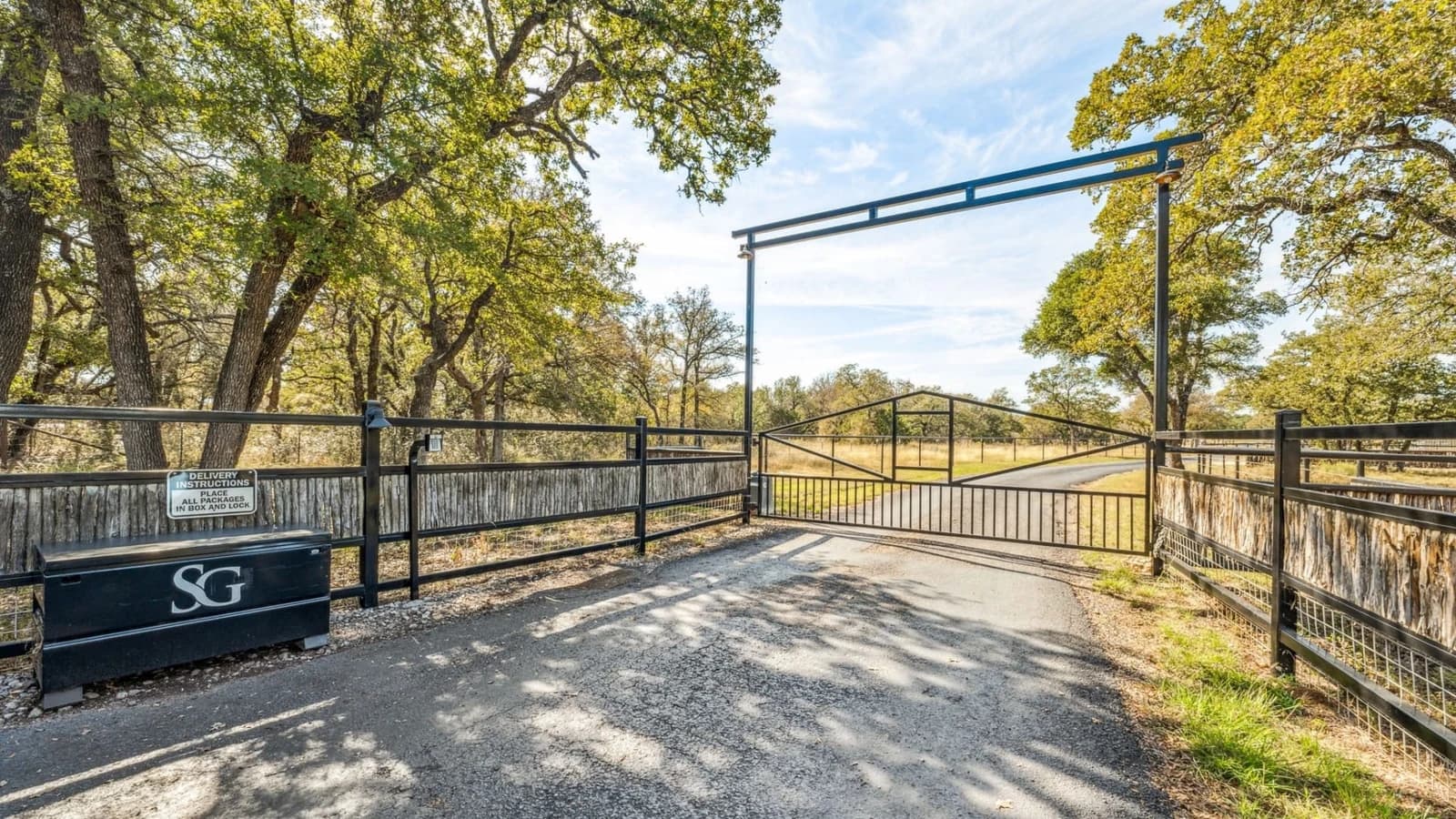
How to Value Ranch Property: A Beginner’s Guide
Want to know how to value ranch property in Texas? Here’s a quick breakdown:
- Location matters: Proximity to cities like Austin or Dallas increases value.
- Water availability is key: Properties with lakes, ponds, or wells are more valuable.
- Land use impacts price: Grazing, farming, or recreational potential can drive up worth.
- Regional prices vary: Northeast Texas averages $8,200/acre, while the Panhandle is just $1,710/acre.
- Income potential adds value: Hunting leases or agriculture can boost a ranch’s appeal.
Use tools like LandWatch or consult experts to assess fair pricing. Dive deeper into factors like land classification, productivity, and market trends in the full guide below.
Buying Land in Texas: Full Process and Step-by-Step Guide
Factors Affecting Ranch Property Value
When evaluating ranch property values in Texas, several major factors come into play. These elements are crucial for buyers and investors to consider.
Location and Access
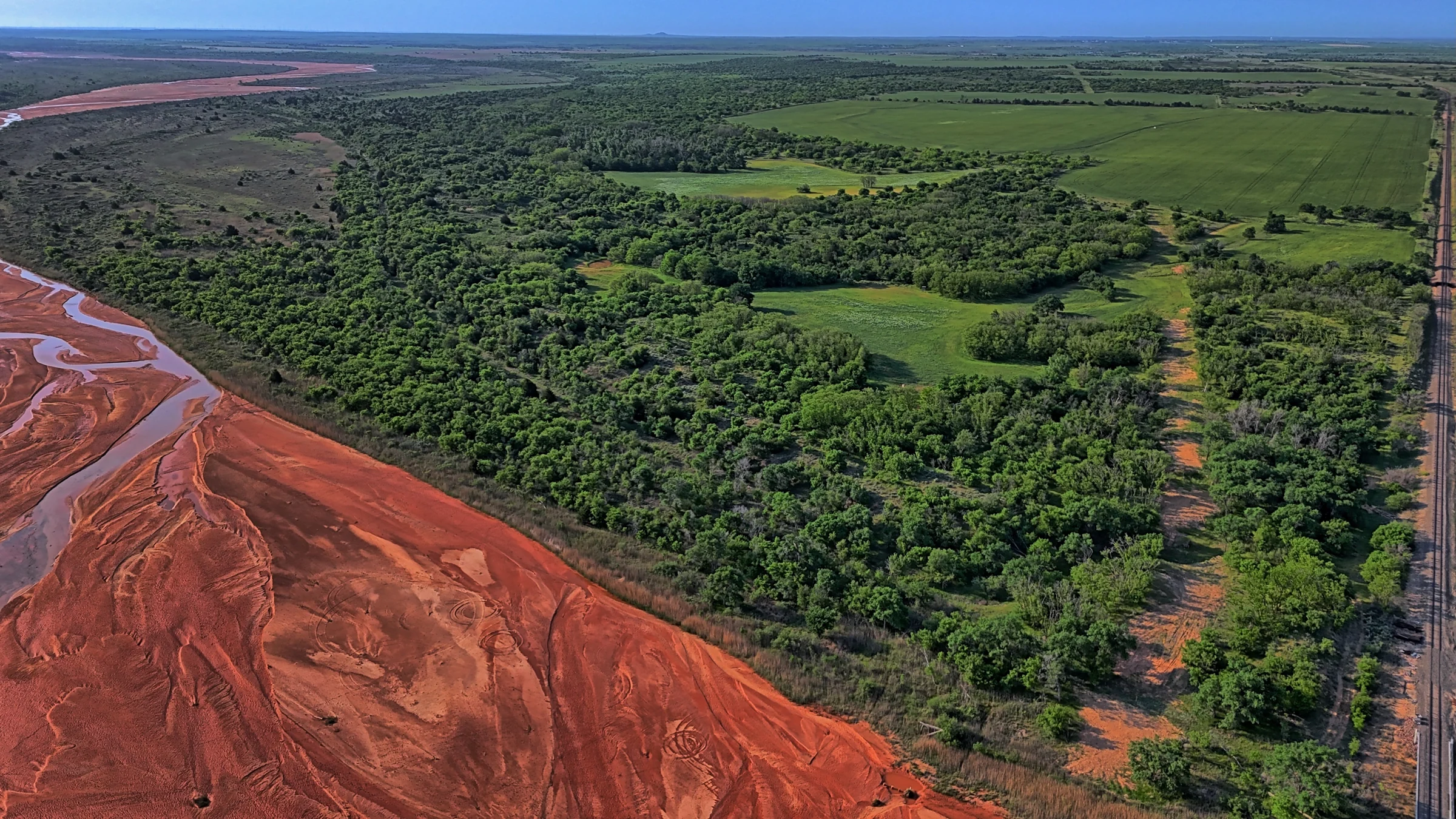
Ranches close to cities like Dallas, Austin, or Houston tend to have higher values due to their accessibility and potential for development. Additionally, properties with deeded, insurable access from public roads are far more desirable than those with limited or uncertain entry points .
Water Availability and Rights
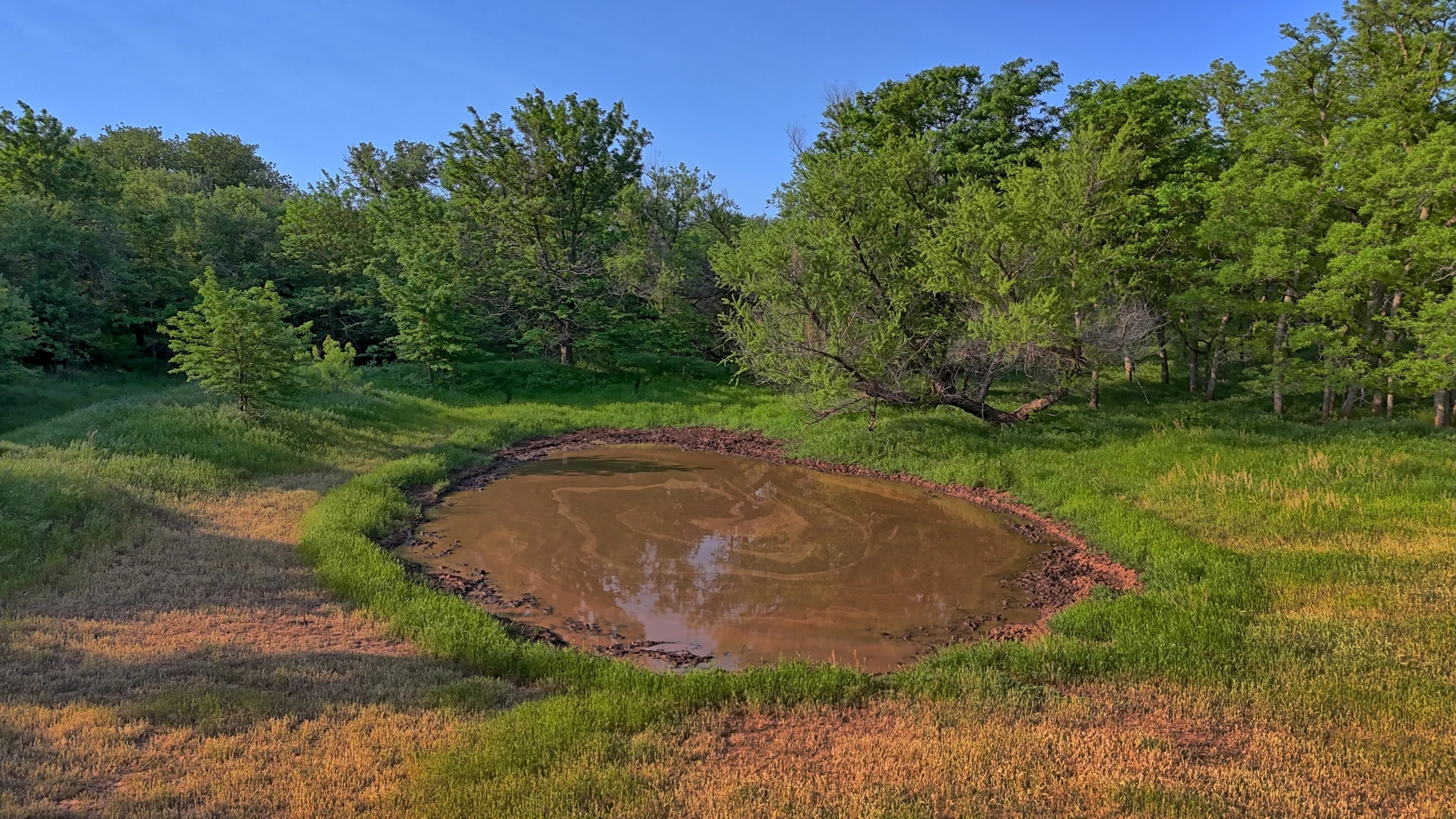
Water is a key factor in a ranch’s value. Properties with dependable water sources - like lakes, ponds, or wells - and secure water rights usually sell at a premium .
Here’s how different water resources influence property value:
| Water Resource Type | Value Impact | Primary Benefits |
|---|---|---|
| Surface Water (Lakes/Ponds) | High | Recreation & Livestock |
| Groundwater Wells | Medium-High | Agriculture & Domestic Use |
| Seasonal Streams | Medium | Wildlife & Irrigation |
| No Water Sources | Low | Limited Use Options |
The presence and reliability of water resources not only affect pricing but also determine the land’s utility for various purposes.
Land Use and Existing Structures
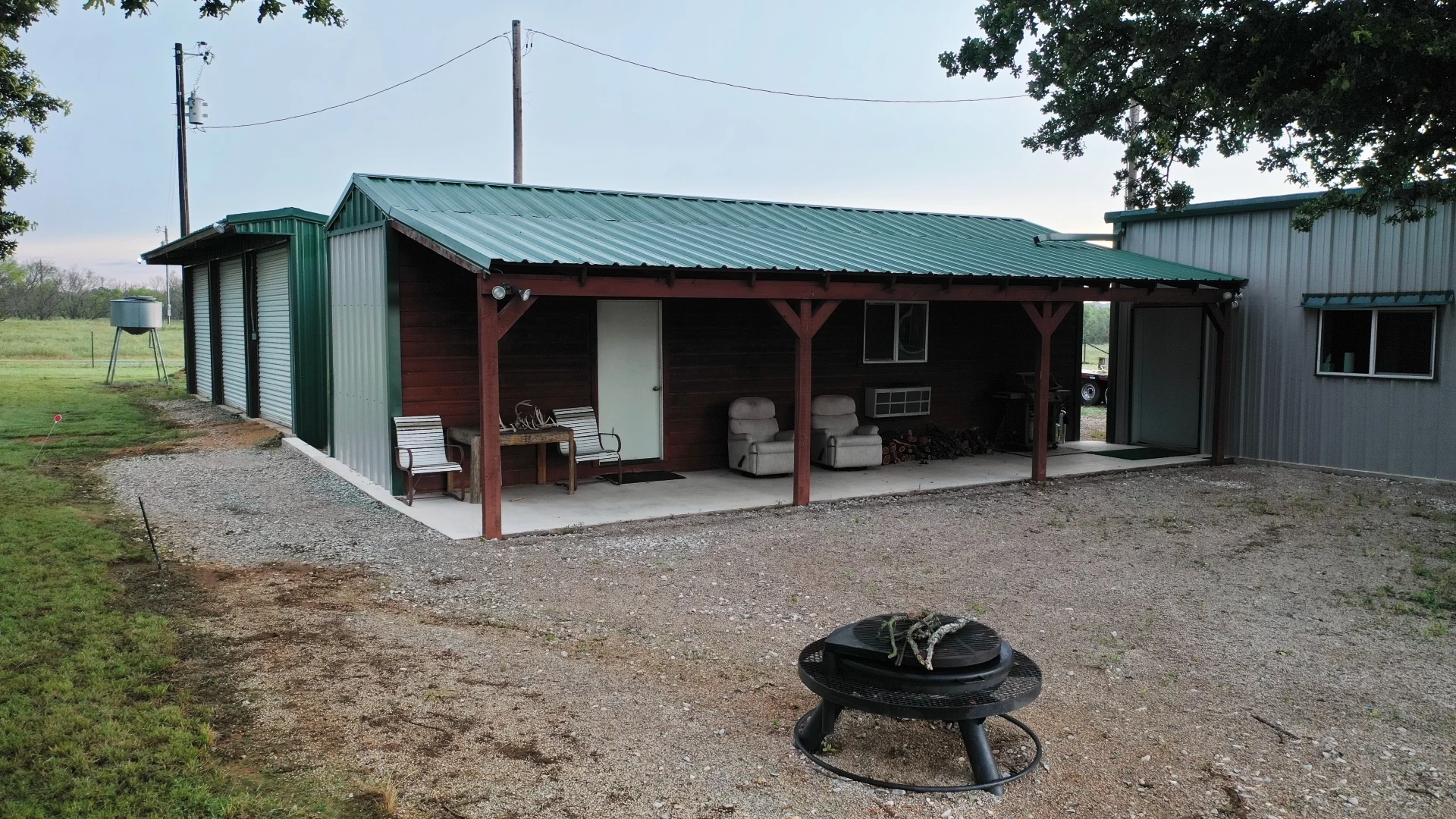
The condition of the land and its infrastructure plays a big role in market value. Fertile soil and well-maintained features like fencing, barns, and roads can significantly increase a ranch’s worth. On the other hand, properties with neglected infrastructure may require costly repairs, which can reduce their appeal .
Income from Hunting or Agriculture
Ranches that generate income through hunting leases or agricultural operations often attract higher offers. Established hunting programs, diverse wildlife, or productive farming operations can make a property more lucrative Texas rural-land market data.
“The productivity value of agricultural land is estimated by calculating the net to land per acre for each class or subclass, then dividing by the capitalization rate to find the value per acre” Texas Comptroller agricultural-appraisal guidance.
Income potential is a major selling point for many buyers, making these factors worth close attention.
Steps to Assess Ranch Property Value
Classifying Land by Use
In Texas, land classification plays a key role in determining property value. Ranches often include areas with different purposes, such as:
| Land Classification | Description |
|---|---|
| Premium Grazing | High-quality pasture with excellent soil, supporting maximum livestock capacity |
| Cultivated Farmland | Productive land for crops and hay, often with established irrigation systems |
| Recreational Land | Areas for activities like hunting, fishing, and camping, often rich in wildlife |
| Mixed-Use Areas | Zones that combine agricultural and recreational activities, supported by necessary infrastructure |
By understanding these categories, buyers can better assess whether a property aligns with their goals.
Estimating Income and Productivity
Evaluating income involves looking at both current and future revenue potential. For agricultural properties, focus on:
- Crop yields and livestock capacity
- Historical production data
- Market prices for local commodities
- Operating and maintenance costs
Break down income sources, such as grazing and crop production, and calculate net income per acre. This detailed approach helps establish a baseline for applying capitalization rates.
Using Capitalization Rates
Capitalization rates (cap rates) are used to convert income and productivity figures into an estimated property value. These rates reflect the return on investment relative to income and vary by region and land type, accounting for different risks and market conditions.
Here are some 2024 regional cap rate examples in Texas:
- Gulf Coast - Brazos Bottom: $9,436/acre (4.0-4.5%)
- Northeast Texas: $8,200/acre (4.5-5.0%)
- Austin - Waco - Hill Country: $7,476/acre (4.5-5.5%)
- Panhandle and South Plains: $1,710/acre (5.5-6.0%)
Land offering steady income, like premium farmland, typically has lower cap rates, while recreational areas may have higher rates due to fluctuating returns Texas rural-land market data.
“The productivity value of agricultural land is estimated by calculating the net to land per acre for each class or subclass, then dividing by the capitalization rate to find the value per acre” Texas Comptroller agricultural-appraisal guidance.
Ranch Land Price Trends in Texas
Price Differences by Region
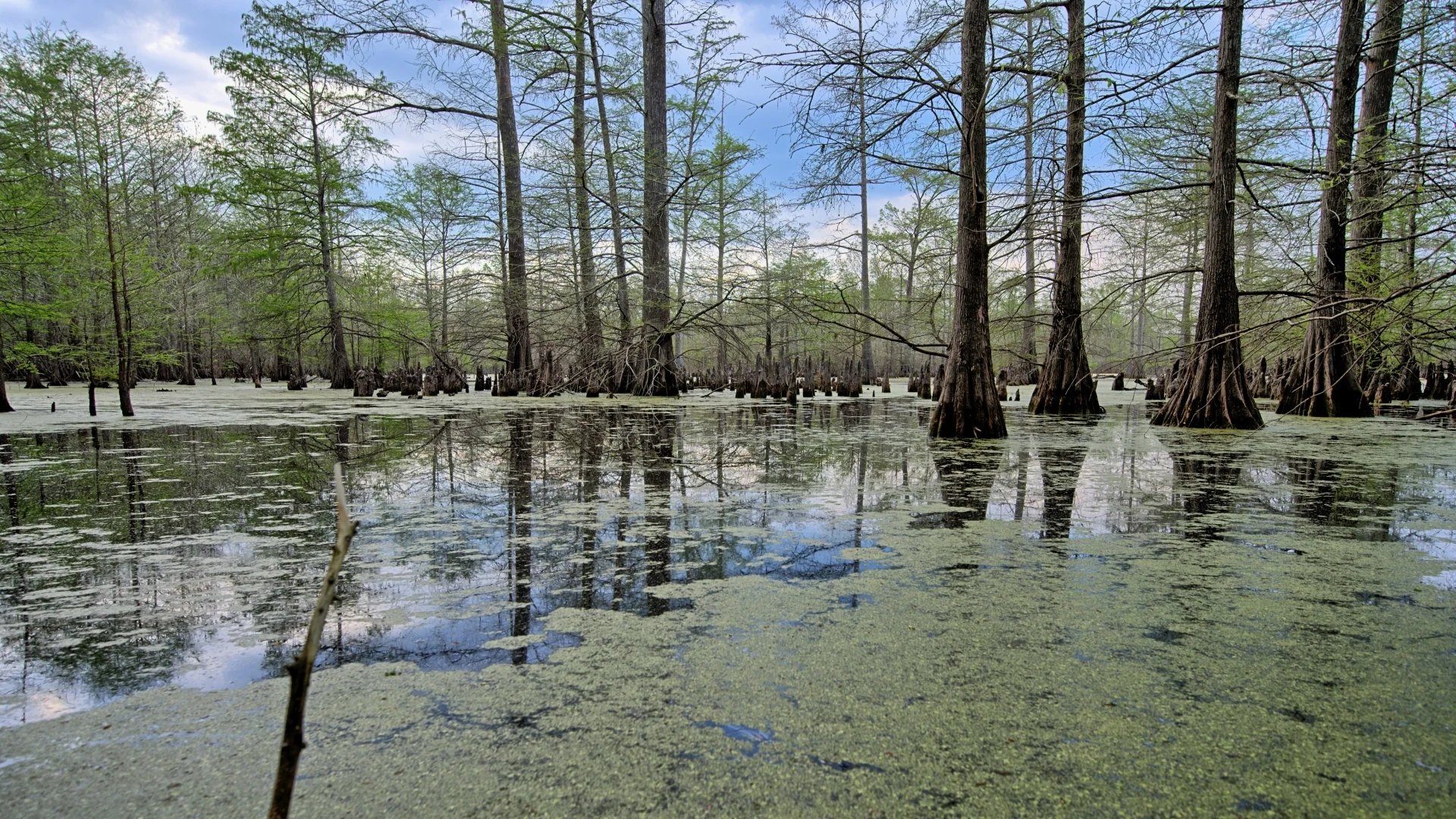
Ranch land prices in Texas vary greatly depending on the region. Factors like location, resources, and market demand play a big role. For example, the Gulf Coast-Brazos Bottom region leads with an average price of $9,436 per acre in 2024, thanks to its fertile soil and reliable water access. On the other hand, the Panhandle and South Plains offer more budget-friendly options at $1,710 per acre.
| Region | Average Price per Acre (2024) | Key Factors |
|---|---|---|
| Gulf Coast - Brazos Bottom | $9,436 | Prime soil, water availability |
| Northeast Texas | $8,200 | Timber resources, versatile use |
| Austin - Waco - Hill Country | $7,476 | Close to cities, recreation |
| South Texas | $6,218 | Hunting, mineral rights |
| Panhandle and South Plains | $1,710 | Agriculture, larger tracts |
In North Texas, cropland prices range from $6,000 to $12,000 per acre, while timberland falls between $3,500 and $5,500 per acre Texas rural-land market data.
Current Market Dynamics
The Texas ranch market continues to grow, with a 4% price increase in 2024 compared to the previous year Texas rural-land market data. Some key trends shaping the market include:
- Water Availability: Properties with reliable water sources see higher demand, especially in drought-prone areas.
- Urban Proximity: Ranches near cities like Austin and San Antonio attract buyers willing to pay a premium.
- Multi-Use Properties: Land that supports agriculture, hunting, or other revenue streams is especially appealing.
In the Piney Woods South region, improved and native pastures are priced between $2,500 and $5,000 per acre, while bottomland hardwood timberland goes for $1,500 to $2,100 per acre Texas rural-land market data. These price differences highlight how location, land quality, and potential uses influence ranch values across Texas.
Staying informed about these dynamics can help you better evaluate opportunities in the Texas ranch market.
Tools and Services for Valuation
These tools and services can assist buyers in navigating the challenges of ranch valuation consultation while complementing the earlier steps.
Working with Real Estate Agents
Real estate agents with expertise in ranch properties can provide valuable insights. They assess important factors like market trends and property features, offering detailed analysis, local market knowledge, and income potential assessments. While agents provide tailored advice, online tools can serve as a convenient starting point for independent research.
Online Valuation Tools
For Texas ranch buyers in 2024, these platforms stand out:
| Platform | Key Features |
|---|---|
| Land.com | Listings and market data |
| LandWatch | Listings and market data |
| Land&Farm | Listings and market data |
When using these tools, keep in mind:
- Compare properties within the same region for a better benchmark.
- Focus on recent sales data rather than just asking prices.
- Use multiple sources to get a more accurate valuation.
- Confirm details like water rights and land use to avoid surprises.
“The median price per acre of rural land in Texas exceeded $4,600 through the first two quarters of 2024, with significant regional variations” Texas rural-land market data.
For the best results, combine online tools with expert advice to thoroughly evaluate ranch properties.
Conclusion: Key Points on Ranch Property Valuation
Evaluating ranch property in Texas involves weighing several important factors. For example, market data shows that land prices vary widely: Northeast Texas averages $8,200 per acre, while the Panhandle averages $1,710 per acre Texas rural-land market data. This underscores the importance of understanding regional differences when determining value.
Key elements influencing Texas ranch values include location, water availability, and land classification, as discussed earlier. These, along with income potential and market trends, create a valuation process that changes depending on the region and property type.
Texas employs a standardized productivity valuation method for agricultural land. This approach considers both current use and future potential. According to the Manual for the Appraisal of Agricultural Land:
“The Manual for the Appraisal of Agricultural Land emphasizes the importance of categorizing land into different classes and estimating the net to land per acre for each class” Texas Comptroller agricultural-appraisal guidance.
While market conditions in 2024 remain strong in many areas Texas rural-land market data, accurate valuation depends on several factors, including:
- Regional price trends and market activity
- Physical property features and improvements
- Income opportunities from the land
- Expert input for complex property assessments
Although online tools can provide a starting point, expert analysis is often necessary for nuanced aspects like water rights and local market conditions . Since the market has shifted significantly since 2021, staying informed is more crucial than ever for potential buyers.
FAQs
How much is 1 acre of land worth in Texas in 2024?
The value of an acre in Texas during 2024 varies widely depending on the region. Here’s a quick snapshot:
| Region | Price per Acre |
|---|---|
| Gulf Coast - Brazos Bottom | $9,436 |
| Northeast Texas | $8,200 |
| Austin - Waco - Hill Country | $7,476 |
| Southern Texas | $6,218 |
| Panhandle and South Plains | $1,710 |
These differences underscore how location plays a major role in determining a ranch’s value. Knowing these regional trends is key when evaluating land prices.
What factors most impact ranch property values?
Several elements influence the value of ranch properties. Some of the most important include:
- Reliable water access and rights: Especially critical in dry areas.
- Location and accessibility: Proximity to towns or highways adds value.
- Land quality and improvements: Fertile soil, fencing, or structures matter.
- Agricultural productivity: Crop or livestock potential increases worth.
- Recreational use: Hunting, fishing, and outdoor activities can drive demand.
- Infrastructure condition: Roads, barns, and utilities are key considerations.
Understanding these factors helps you gauge what makes a property worth its price.
How can I determine if a ranch property is fairly priced?
To figure out if a ranch property is priced appropriately:
- Compare its price to regional averages using data from the Texas Real Estate Research Center.
- Look at water access, rights, and overall availability.
- Evaluate its income potential, like earnings from agriculture or hunting leases.
For instance, in the Dallas-Fort Worth area, dry cropland and pastureland typically sell for $6,000 to $12,000 per acre Texas rural-land market data. Keep these benchmarks in mind when assessing a property’s value.