Most farm, ranch, and hunting land buyers in Texas generally have a fairly good idea of what they are looking for before they begin seeing properties. The harder part is deciding whether a particular ranch property is worth buying and determining the fair market value of that specific property.
Size, location and asking price are easy to compare between different listings. Water reliability, legal access, neighboring ownership, usable land, mineral activity and the condition of the improvements usually take more work to understand. Those are also the issues that can have the greatest effect on what the ranch is worth and future costs of ownership after closing.
Most ranches have drawbacks. A road may need work. A fence may need to be repaired or replaced. The seller usually owns very little or none of the minerals. A pond may not go dry in the summer. None of those things automatically makes a particular property a poor choice but we hope to educate our buyers on realistic expectations of a particular property up front.
The important question is whether you understand what you are buying and whether the offer price reflects the good and bad parts of that particular ranch property collectively.
These are the main things I would look into before making an offer and during the contract period.
Property Size and Price Per Acre
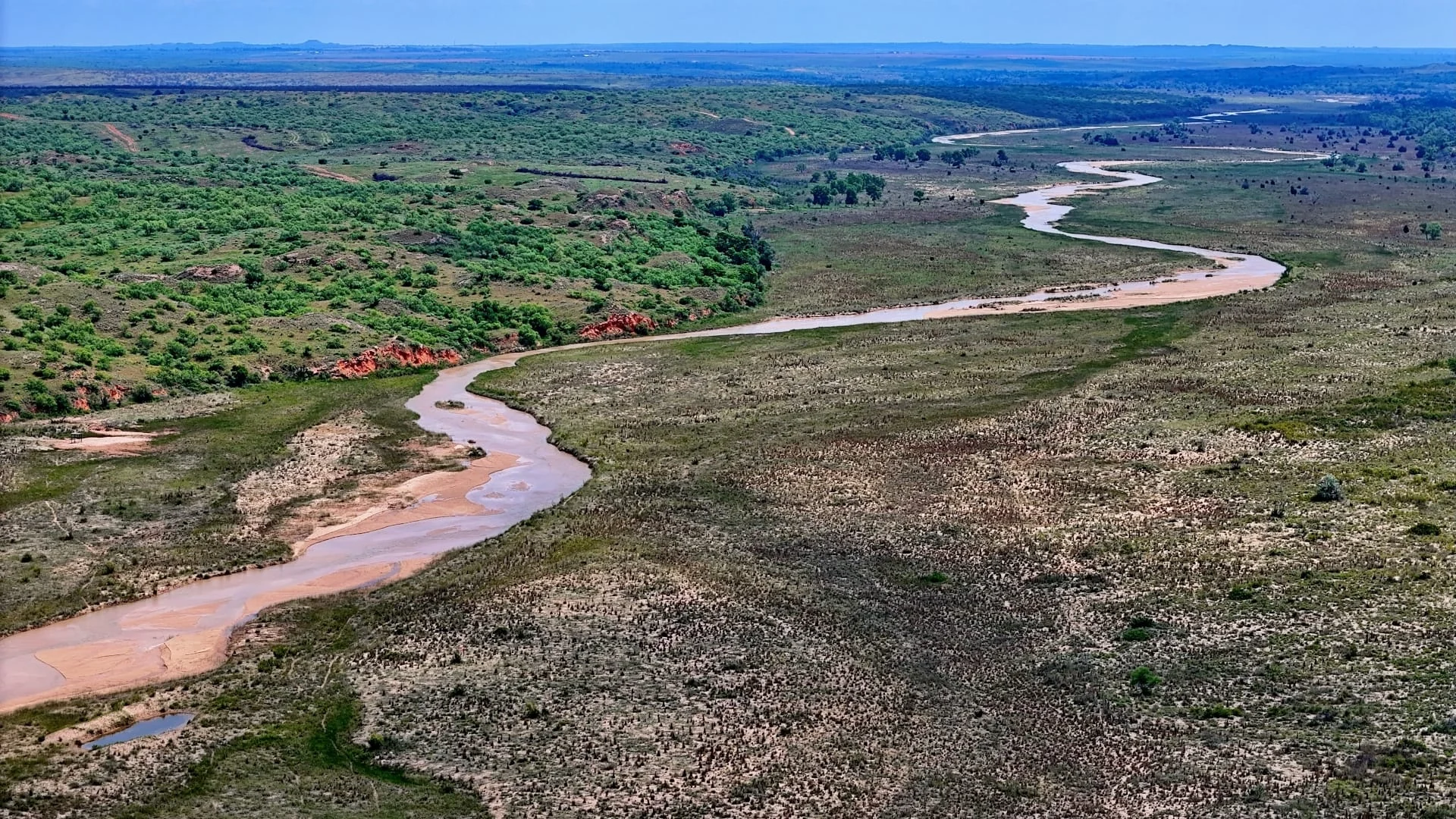
Ranch property is commonly discussed in terms of how many acres it is and the price per acre. Those numbers are useful, but just those two data points do not tell you enough to compare two different ranch properties.
A cattle buyer may place considerable value on productive pasture, improved grasses, availability of livestock water, cross fencing into multiple pastures and quality and/or availability of working pens. A buyer solely purchasing a property for hunting may care more about quality of habitat, neighboring ownership, water distribution and availability during droughts, hunting pressure from surrounding properties and the way the ranch is laid out. Someone planning to build a home may be more concerned with utility availability, paved road access, floodplain composition, septic conditions and the location of the building site. Three different types of buyers have to focus on different property requirements.
Along these same lines, the same property improvement can have very different value to different types of buyers. A large set of working pens may be useful to a cattle operator and be an eye sore to someone who does not plan to run cattle. A large newly constructed house can increase the price and value of a property even though a potential buyer doesn't plan to live there. When working with a potential buyer or representing a buyer in a transaction, I identify the features that have real value to them and identify potential properties which may fit their needs and budget requirements.
The amount of usable land also matters more than the total acreage shown in the listing. A 500-acre ranch may include productive pasture, heavy brush, floodplain, steep terrain, utility corridors and areas that are difficult to reach. All of those acres may have value, but they do not have the same value for every end user.
When comparing ranches, look at what you are actually getting rather than treating every acre as equal.
Pay Close Attention to the Surrounding Property
Neighbors can have more effect on the enjoyment and long-term value of a ranch than many buyers realize.
You can repair a fence, improve a road or replace a water line. You have far less control over what happens on an adjoining tract.
When hunting is important, I want to know who owns the neighboring properties, whether those properties are hunted, how heavily they are hunted and whether any of them are likely to be divided into smaller tracts. Small adjoining properties, loose dogs, frequent trespassing and blinds located directly on a property line can change the quality of a hunting place.
For a cattle ranch, adjoining fence conditions, loose livestock, shared roads and neighboring grazing practices may matter more. For a homesite or weekend property, nearby commercial activity, shooting ranges, dumping, traffic and future development should be considered.
Ask the seller or the listing agent about the adjoining owners but do not stop there. The surrounding and adjoining property is important to your decision, I also consider:
- Talking directly with adjoining landowners
- Asking the local game warden about hunting and trespassing problems
- Asking the sheriff’s office about recurring complaints in the immediate area
- Reviewing nearby ownership and tract sizes
- Looking for proposed subdivisions, utility projects or development activity
- Driving the surrounding roads instead of looking only at the ranch entrance
The adjoining landowners may also tell you things about roads, flooding, quality of ground water and previous property use that do not appear in the listing information.
Confirm Both Legal and Physical Access
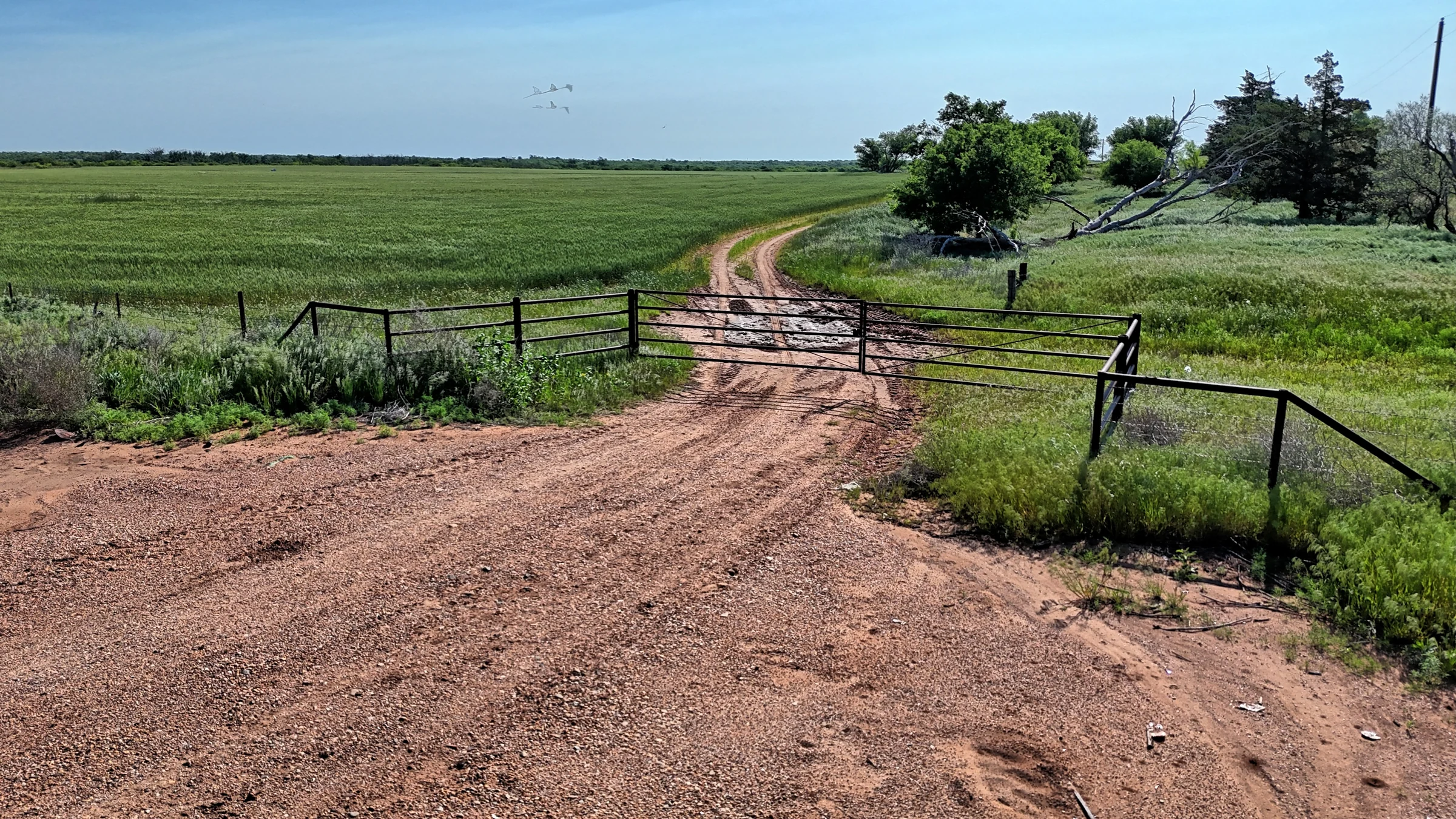
Access is one of the first things I want to understand.
A ranch with direct frontage on a public road is usually easier to evaluate. When the property is reached through someone else’s land, I want to see the access document early.
Find out whether the access is recorded, where it runs, how wide it is and who is responsible for maintenance. The document should also be reviewed for any limitations involving utilities, guests, construction traffic, livestock trailers or commercial activity.
An established road does not necessarily mean the buyer has recorded legal access. The seller may have used the road for years under an informal arrangement that does not provide the protection the buyer or lender expects.
The condition of the road matters too. A road that looks good in dry weather may become difficult or impossible after several inches of rain. Low-water crossings, narrow gates, steep grades and weak bridges can create problems for livestock trailers, construction equipment and emergency vehicles.
Ask the seller and neighboring owners how the road performs during wet weather. Look at the culverts, drainage and low areas. When access is questionable, it may be worth returning after a substantial rain.
Some buyers want several access points. Others prefer a county road that ends near their gate because it reduces traffic and makes trespassing more difficult. Neither is automatically better. It depends on the location and the way the ranch will be used.
Identify and Understand the Water Sources and Availability
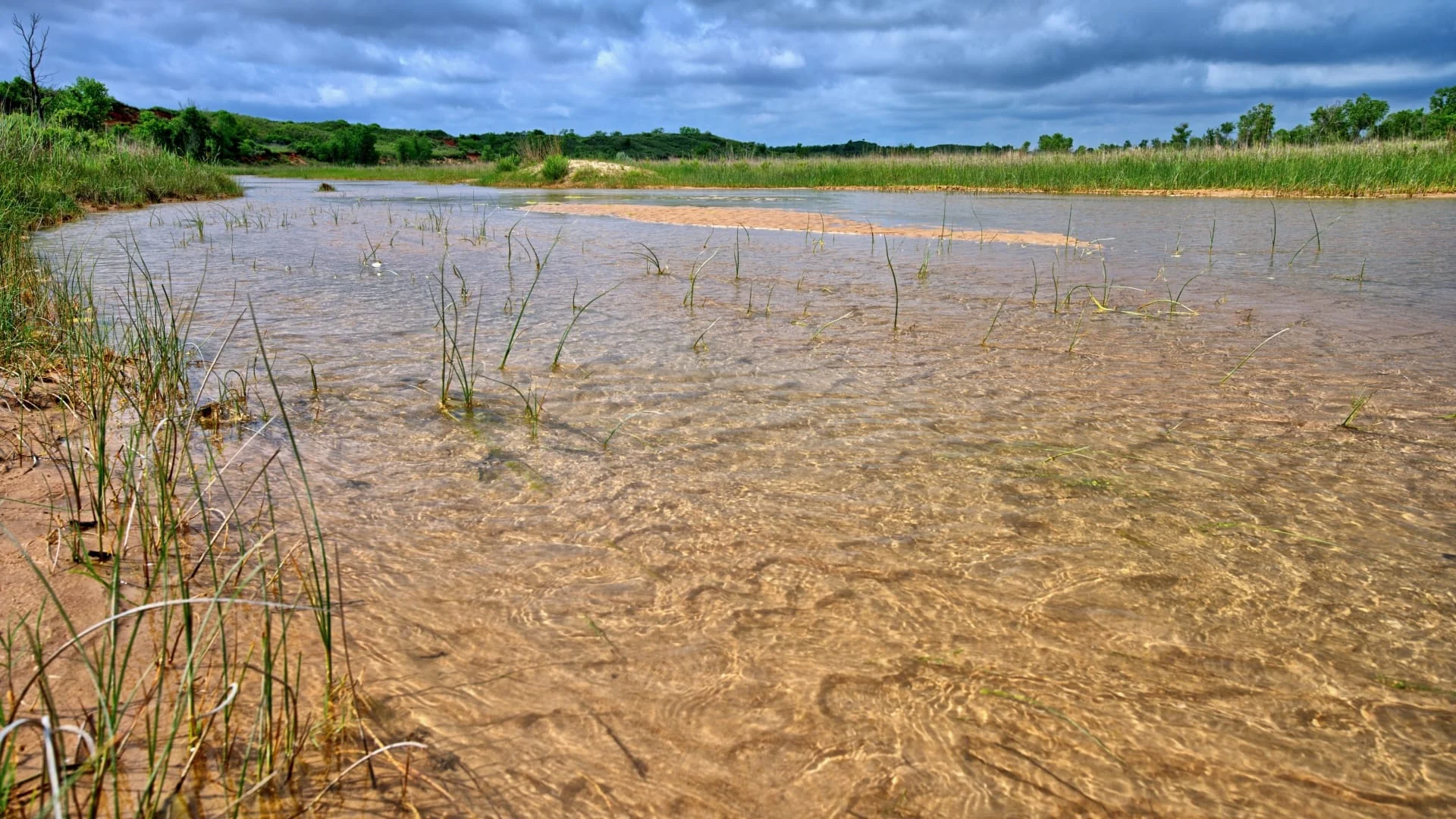
I would not rely on a description such as “one water well and two stock tanks” as a complete explanation of the water.
For a water well, ask about:
- When it was drilled
- Well depth and construction
- Pump age and condition
- Reported production
- Water quality
- Power supply
- Storage capacity
- Distribution lines
- Livestock troughs
- Prior repairs
- Performance during dry years
A well may be adequate for a cabin and still be inadequate for a residence, livestock operation or irrigation. The well itself is also only one part of the system. Pumps, pressure tanks, storage tanks, power and distribution lines all have to work.
The Texas Water Development Board maintains groundwater and well information that can help with the initial research. The property may also be located in a groundwater conservation district with permitting, spacing, production or reporting requirements.
When a well is important to the purchase, have it inspected and tested. Historical records are useful, but they do not prove the well’s current condition, production or water quality.
Ponds, lakes and creeks also need to be evaluated more closely than they usually are during a showing.
Ask how the ponds held up during previous dry years. Look at the watershed, dam, spillway, erosion, silt and signs of seepage. A full pond during a wet spring does not tell you how dependable it will be in August.
The presence of a creek, river or lake does not automatically establish a right to divert or use surface water. Texas handles surface-water rights differently from groundwater. The Texas Commission on Environmental Quality provides information about permits, exemptions and water-right records.
If a seller represents that a particular water right, permit or contract will convey, ask for the documents and have them reviewed.
Review the Survey, Title and Recorded Documents Prior to Closing
A fence line and a legal boundary are not always in the same place.
Some fences were built for convenience. Others follow an old line that adjoining owners have accepted for years. A road, barn, tank or other improvement may cross a surveyed boundary without anyone realizing it.
Review the legal description, survey, title commitment and compare that to what you physically see on the ground.
Confirm with the seller, surveyor or title company:
- Acreage discrepancies
- Encroachments
- Gaps or overlaps
- Improvements near or across a boundary
- Roads that are not shown in the record
- Easements affecting the property
- Access shown on the survey and in the title documents
- Fence lines that do not follow the surveyed boundary
An older survey may still be useful, but the buyer, lender and title company will need to decide whether it is acceptable for the transaction. When a new survey is needed, it should be prepared by a Texas registered professional land surveyor. Generally a local surveyor can be recommended by the listing agent or your buyer's agent.
The title commitment should also be reviewed in depth. When I represent a buyer, I pay particular attention to:
- Access easements
- Utility and pipeline easements
- Deed restrictions
- Conservation easements
- Road-maintenance agreements
- Grazing, hunting and residential leases
- Mineral reservations
- Surface-use agreements
- Rights involving shared water or roads
If an easement, restriction or reservation affects something important to you as a buyer, read it and have the title company or your attorney explain it.
The Texas Department of Insurance provides a useful explanation of title commitments, title policies and the difference between an owner’s policy and a lender’s policy.
Understand the Minerals and What Is Happening on the Surface
Mineral ownership is rarely as simple as asking whether the minerals convey.
The seller may own all, part or none of the mineral estate. The seller may also own a royalty interest without owning all or some of the executive leasing rights and may plan to reserve some or all of the rights they currently own.
Find out what the seller believes to own and what is proposed to convey. Then review the deed history, reservations, leases and other available records with the appropriate title professional, landman or attorney.
I would also inspect the ranch for existing or previous energy activity, including:
- Producing or abandoned wells
- Tank batteries
- Pipelines
- Disposal wells
- Access roads
- Utility corridors
- Surface equipment
- Stained soil
- Dumping or debris
- Old buildings and tanks
The Railroad Commission of Texas Public GIS Viewer can help identify mapped wells, permits, pipelines and related facilities. It does not establish current mineral ownership or show everything that may exist on the ground.
Existing oil or gas activity does not automatically make a ranch a bad purchase, and frankly, in Texas, it is the nature of the game. For other buyers that is a deal breaker and they will not consider it. Others may accept it when the location, price and rest of the property fit their buy boxes.
The condition of production facilities, operator access, road use, cleanup obligations and effect on the surface should be understood prior to closing.
I would not let the absence of mineral ownership automatically end the discussion either. Mineral rights have been separated from the surface on a large amount of Texas land. The important questions are what rights are outstanding and how they may affect your ownership and use of the surface and is there other active production or drilling in the area.
Look at Soil Types, Terrain and Carrying Capacity
Green pastures you see in May during a showing may not be indicative of how the property holds up in a dry year, during August with 100 degree temperatures or under regular agricultural use.
The USDA Web Soil Survey is an available tool for checking soil types, drainage, flooding frequency and general land-use interpretations. It can help answer questions about grazing, crops, roads, ponds, septic systems and building locations.
The soil map is a starting point. It does not establish an exact livestock carrying capacity, crop yield, foundation condition or septic suitability. Carrying capacity depends on rainfall, soil, forage, brush, pasture condition, water distribution and management. It also changes during drought. I would be cautious with any permanent stocking-rate number that does not explain the assumptions behind it.
The Texas Hunting Land stocking-rate calculator can help estimate a starting range, but the current condition of the ranch should be evaluated in person.
Flood risk should also be reviewed through the FEMA Flood Map Service Center, but also find out what historically has happened on the property.
Look for:
- High-water marks
- Debris caught in fences
- Washed-out roads
- Damaged culverts
- Erosion
- Silt movement
- Low-water crossings
- Water standing near buildings
- Evidence of previous repairs
Just because a property has floodplain does not mean it is not useful for grazing, hunting or recreation. The question is how the floodplain affects access, improvements, insurance, building plans and value going forward for you as a property owner.
Terrain should also be evaluated according to what you expect from the ranch. Heavy cover and rough ground can be valuable for hunting and privacy and can offer extraordinary views but more open, accessible country may be better for livestock, hay production or future construction improvements.
Inspect the Improvements
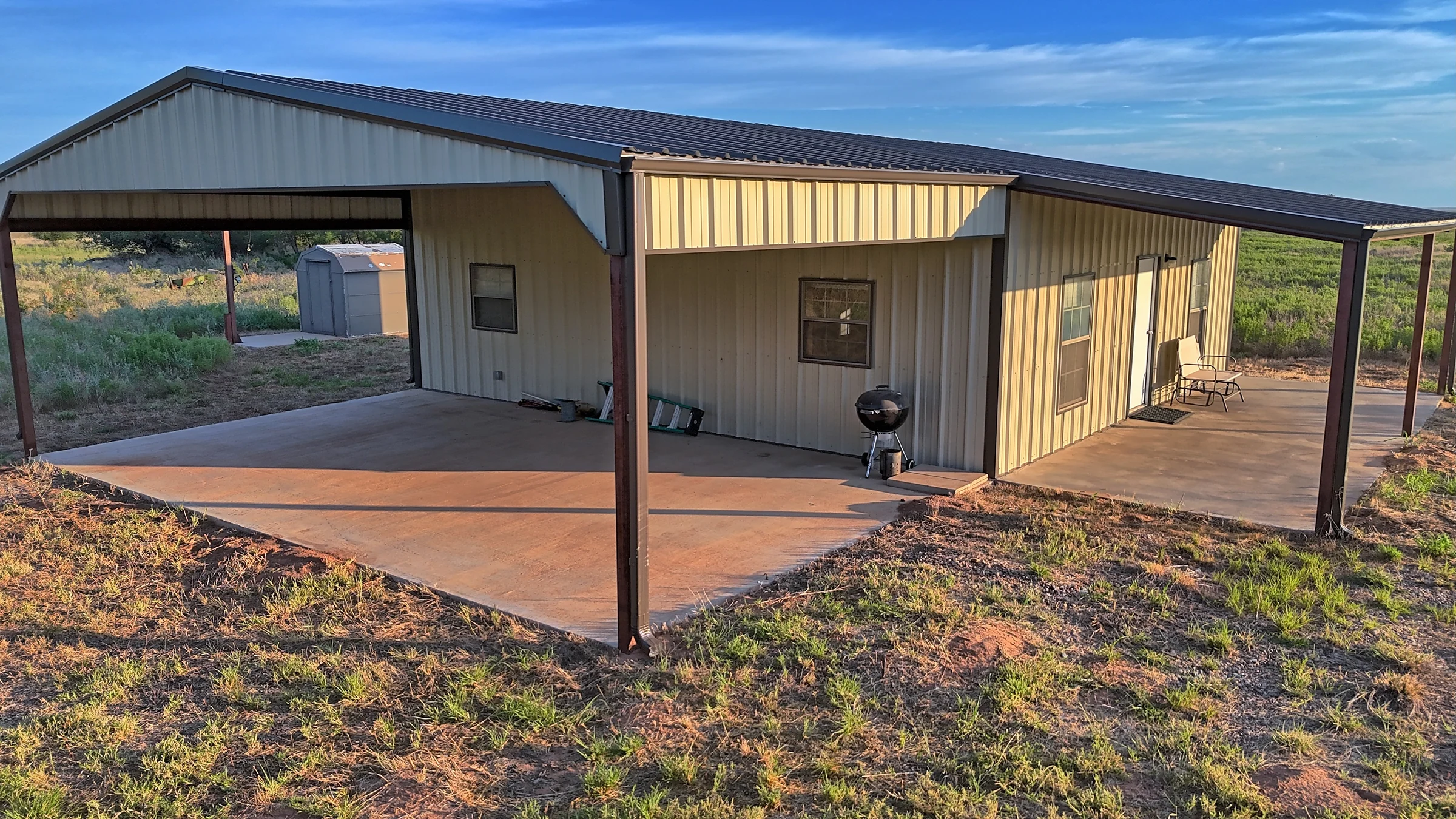
Improvements should be valued based on their condition and usefulness to the buyer, not on what they cost to build.
A large barn is not valuable if the roof and electrical system need major work. A set of pens may look complete but be poorly located or difficult to reach with a trailer. A house may be in good condition and still add very little value to a buyer who does not need it or plan to stay there.
Depending on the property, an improvement inspection may include:
- Homes and cabins
- Barns, shops and equipment sheds
- Roofs, foundations, plumbing and electrical systems
- Wells, pumps, tanks and water lines
- Septic systems
- Propane systems
- Perimeter and cross fencing
- Gates, cattle guards and loading areas
- Corrals, pens and chutes
- Roads, culverts, bridges and crossings
- Dams and spillways
- Utility availability and service capacity
Get realistic repair estimates during the contract period. Deferred maintenance can change what appears to be a fairly priced ranch into an expensive project.
Insurance should also be investigated before the applicable contract deadlines. Distance from fire protection, road access, flood exposure, property use, condition of buildings and prior claims can affect both availability and cost.
Verify Taxes and Ag Exemptions
What is commonly called an ag exemption is usually a special appraisal based on the land’s agricultural productivity. It is not a blanket exemption from property taxes.
Do not assume the seller’s current tax treatment will continue unchanged after you purchase the property.
Find out from the county appraisal district about:
- Current appraisal status
- Prior qualifying use
- Local acreage and intensity standards
- Application requirements
- Filing deadlines
- Treatment of the homesite and improvements
- Whether your planned use may qualify
- Possible additional or rollback taxes if the use changes
The Texas Comptroller provides statewide guidance, but the county appraisal district makes the property-specific determination.
Wildlife-management exemptions also have requirements. Owning land with wildlife or using the ranch for hunting does not qualify the property by itself. The prior appraisal status, written plan and qualifying management activities need to be considered.
Any income represented by the seller should also be documented - grazing leases, farm leases, hunting income, etc.
That may include:
- Grazing rent
- Hunting leases
- Agricultural sales
- Lodging income
- Timber proceeds
- Mineral payments
- Other leases or operating income
Ask for any written agreements and payment histories. Find out whether the lease or agreement can be transferred, how it may be terminated and what the property owner's obligations are to continue with it.
Have Your Financing Worked Out Early
Rural-land financing varies considerably among lenders.
The amount financed, improvements, access, appraisal, intended ownership structure and use of the property can all affect the loan. A lender that regularly handles ranch property will usually be better equipped to identify potential problems early.
The Texas Hunting Land rural land loan calculator can help compare payment and down-payment scenarios. It should not be treated as a loan approval or a substitute for a lender’s final terms.
I would also recommend to keep enough capital available for repairs and improvements and equipment purchases.
The first year may include fence repairs, roadwork, well service, brush control, electrical work, septic repairs, building maintenance or equipment purchases. Those costs should be estimated before the purchase rather than treated as a surprise afterward.
A ranch that requires work can still be the better buy. The buyer simply needs to know what work is required and have the resources to handle it.
Use the Contract Period to Answer the Important Questions
By the time you make an offer, you should have a fairly good idea of what unanswered questions you have as a buyer.
The contract should provide enough time to complete the appropriate title review, survey work, inspections, financing, appraisal, insurance and other property-specific research.
The Texas Real Estate Commission Farm and Ranch Contract is used in many rural transactions handled by Texas real estate license holders. More complicated issues may require additional provisions prepared by a Texas real estate attorney.
Before signing, understand how the agreement addresses:
- The exact property being purchased
- Improvements and equipment included in the sale
- Items the seller will remove
- Mineral, water, timber, wind or other reservations
- Existing leases
- Financing and appraisal
- Survey delivery
- Title-review deadlines
- Inspection and termination rights
- Possession
- Closing
- Prorations and credits
Put the important dates on a calendar and assign responsibility for each item. A missed title, inspection or financing deadline can limit the buyer’s options to terminate.
I would not remove an important protection simply to make an offer appear cleaner unless the buyer understands the risk and has made a deliberate decision to accept it.
Review the Main Items Before Closing
Prior to closing, review the important issues one more time.
Make sure:
- The deed and legal description are correct
- The accepted survey matches the property being purchased
- Title requirements and objections have been resolved
- The lender and insurance company are ready
- Agreed repairs or credits are documented
- Lease and possession arrangements are understood
- Included equipment and accessories are identified
- Tax prorations have been reviewed
- Final closing instructions have been independently confirmed
- Well, septic, utility and maintenance records will be delivered
- Keys, combinations and property maps are available
There may still be known risks when you close. The important thing is that you know what they are, understand how they affect the ranch and have decided they are acceptable.
What a Ranch Broker Should Help You Do
A ranch broker should do more than open gates and provide the seller’s information.
The broker should help you compare properties, locate available records, identify questions and coordinate the people involved in the transaction. Depending on the property, that may include the lender, title company, surveyor, inspector, attorney, landman, well company, appraiser or county appraisal district.
A broker should also be willing to tell you when a ranch is not a good fit for you as a buyer.
The broker is not a replacement for the professionals responsible for legal, title, boundary, engineering, environmental, tax, water, mineral, appraisal, insurance or lending decisions. The job is to help make sure the right questions are being asked and the process keeps moving.
Frequently Asked Questions About Buying a Ranch in Texas
How many acres do I need?
There is no acreage number that works for every buyer.
The answer depends on the your budget and requirements. Productive and well-improved acreage may serve one buyer better than a much larger ranch with poor access, limited water or substantial deferred work.
Do mineral rights come with a Texas ranch?
Not automatically.
The mineral estate may have been separated from the surface years ago. The seller may own all, part or none of the minerals. Ask what is owned, what will convey and what leases or reservations affect the property.
Does the agricultural appraisal continue after a sale?
Do not assume that it does.
The buyer should confirm the current status, qualification history, filing requirements and planned future use with the county appraisal district before relying on the seller’s present tax bill.
What should be inspected before buying a ranch?
The inspection should extend beyond any residence.
Depending on the property, review the access, boundaries, water, roads, fences, wells, septic systems, utilities, barns, working pens, drainage, dams, flood exposure, soil conditions and evidence of previous mineral or environmental activity.
Is price per acre the best way to compare ranches?
It is a useful starting point, but it is not enough.
Location, access, water, usable terrain, improvements, restrictions, mineral activity and repair costs can create substantial differences between properties with similar acreage.
Put This Guide to Work
Very few ranches will have everything a buyer wants. The better purchase is usually the one where the important advantages are real, the drawbacks are understood and the price reflects both.
Texas Hunting Land can help you compare available properties, gather the information already available and coordinate the transaction with the appropriate professionals.
Use the Texas Ranch Finder to tell us what you are looking for, or browse our current Texas ranches for sale when you are ready to begin comparing properties.
This guide provides general information and is not legal, tax, lending, surveying, engineering, environmental, appraisal, title or insurance advice. Property conditions and transaction requirements vary.