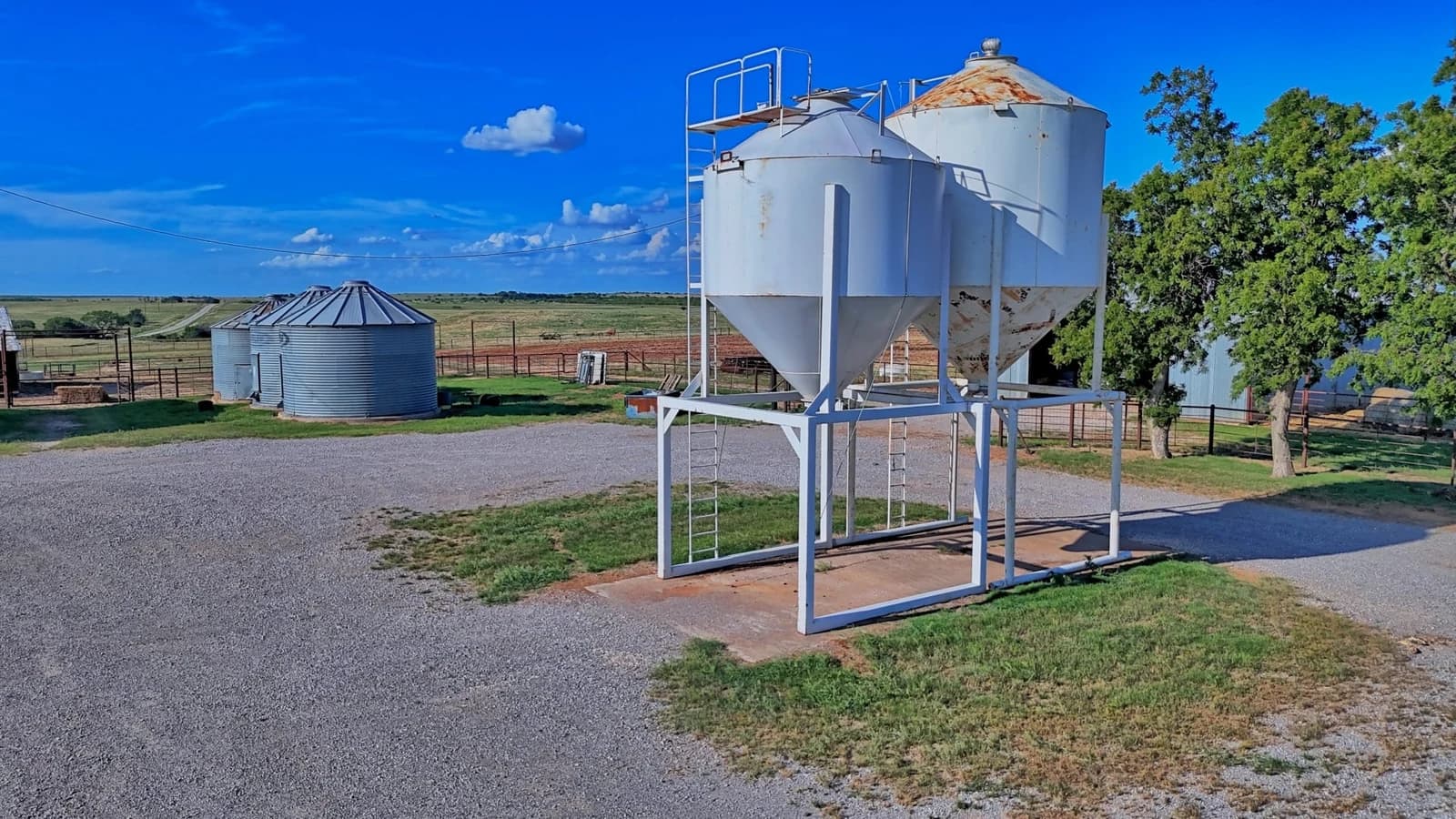
Buying or managing a cattle ranch in Texas usually starts with one practical question: how many cattle can this place support?
County averages can be a useful starting point, but they are too blunt for a real buying decision. Two ranches in the same county can have very different soils, brush cover, rainfall, forage condition, grazing history, water distribution, and usable pasture. That is why the Texas Hunting Land cattle stocking calculator is built around forage and usable acres instead of a county dropdown.
Use the calculator to estimate carrying capacity from the land itself: grazable acres, forage production, utilization rate, drought reserve, grazing period, and animal-unit equivalent.
Use the Texas cattle stocking calculator
What The Calculator Does
The calculator estimates how many head a property may support over a selected grazing period. It converts estimated available forage into animal-unit months, then adjusts that capacity by the class of livestock selected.
The output is an estimate, not a grazing plan or guarantee. It should be checked against local rainfall, soil productivity, pasture condition, brush cover, water access, and advice from Texas A&M AgriLife Extension, NRCS, or a qualified grazing specialist.
Inputs The Calculator Uses
- Grazable acres: acres that livestock can realistically use.
- Forage production: estimated pounds of dry matter produced per acre.
- Utilization rate: the percentage of forage you plan to let livestock consume.
- Drought reserve: forage held back to reduce drought and overgrazing risk.
- Grazing period: number of months the herd will graze the property.
- Animal-unit equivalent: the relative forage demand of the selected livestock class.
- Planned head count: optional input to compare your intended stocking level against the estimate.
Why Forage Production Matters
Stocking rate is ultimately a forage math problem. A ranch with strong improved pasture can support a different stocking level than a brushy native pasture with lower usable forage, even if both ranches sit in the same county.
Texas A&M AgriLife Extension describes stocking rate as a core grazing management decision because it controls the relationship between forage supply and livestock demand. The calculator starts there: estimated dry matter forage production per acre.
Official source: Texas A&M AgriLife Extension stocking-rate guidance
Why Grazable Acres Matter
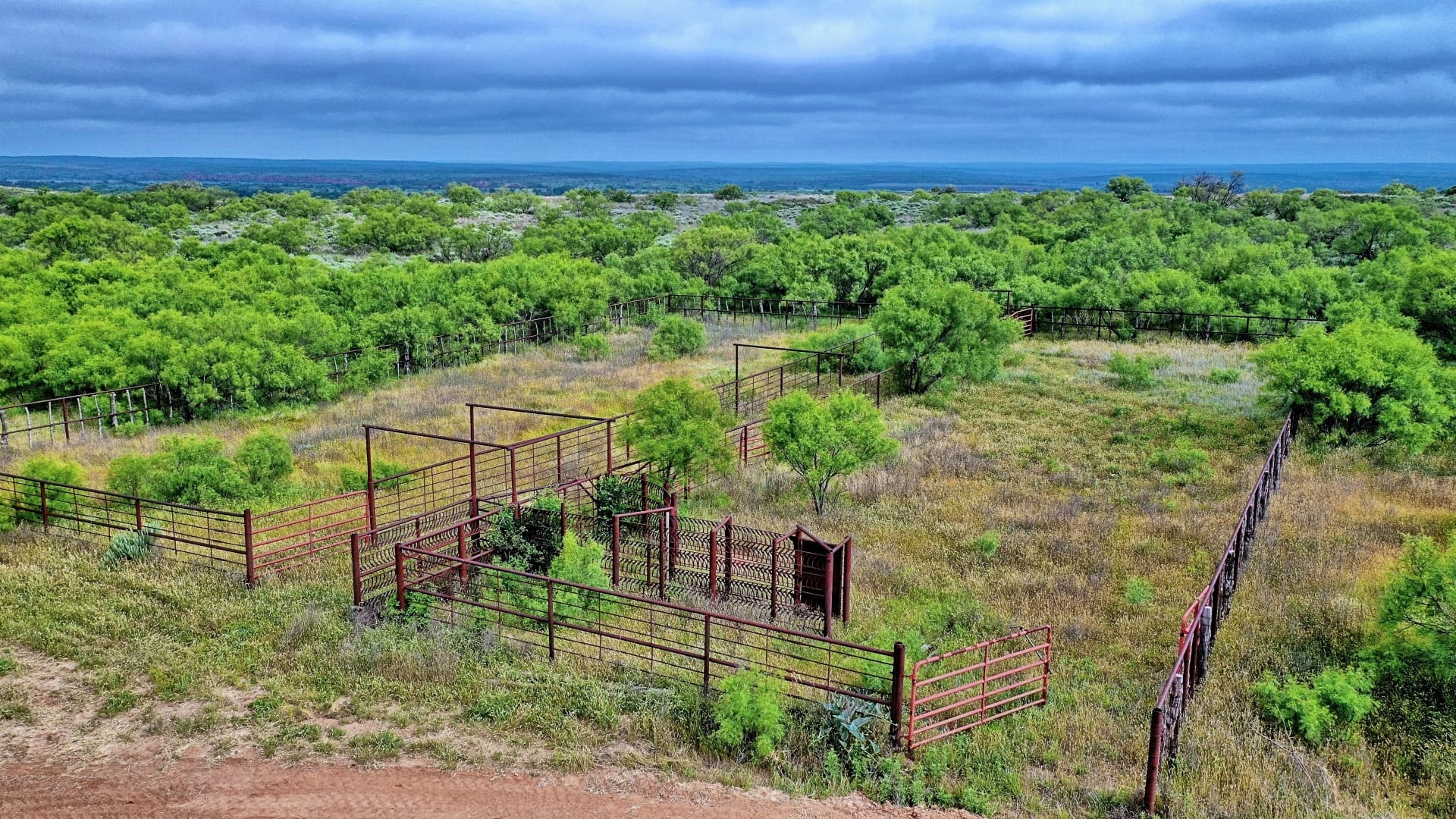
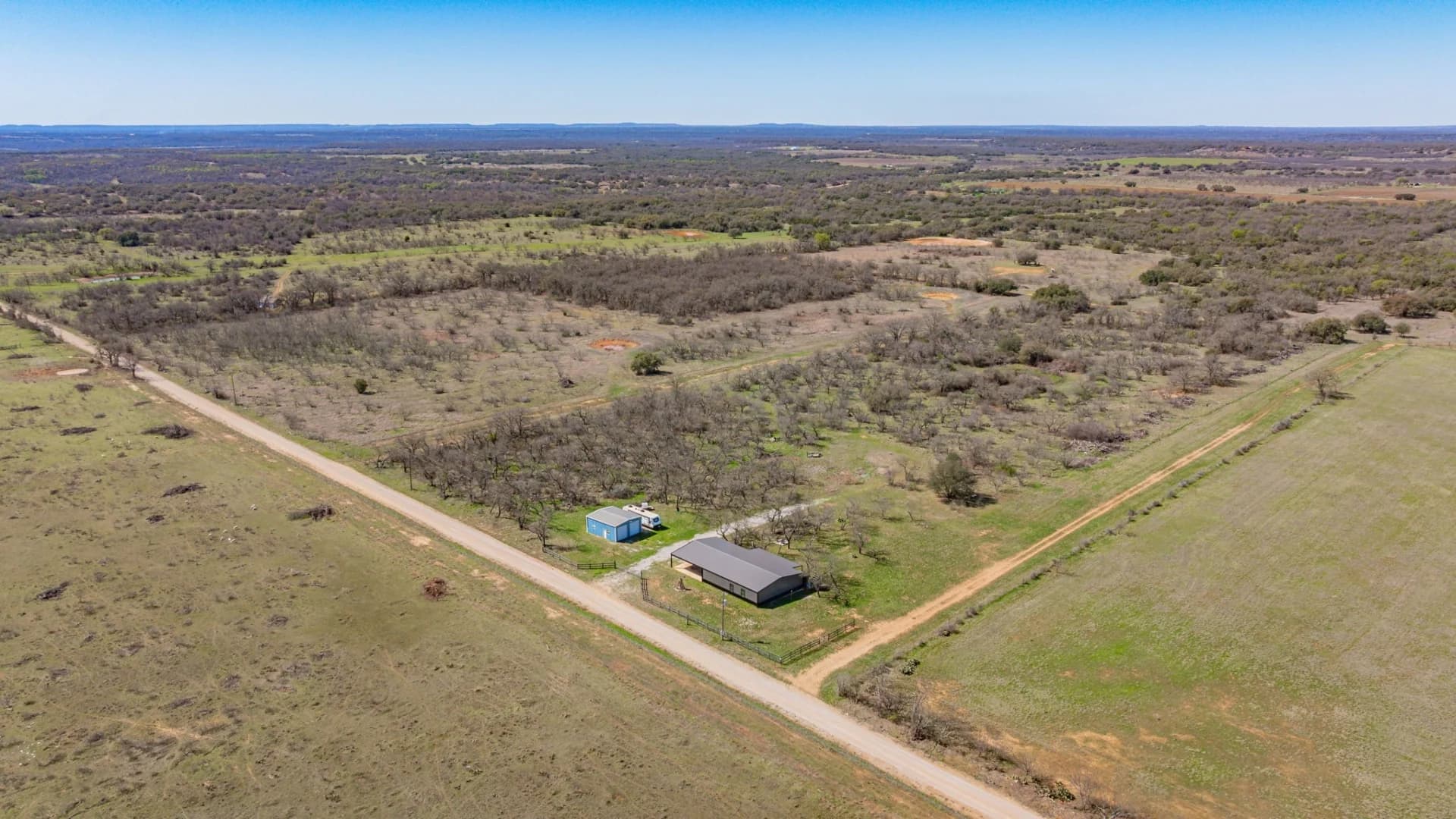
Total deeded acres are not the same as grazable acres. Heavy brush, steep terrain, inaccessible corners, water gaps, homestead areas, roads, buildings, and sensitive riparian areas can reduce the acres that actually contribute forage.
For a buyer, this matters during due diligence. A 500-acre ranch may not function like 500 acres of usable grazing land. Walk the property, review aerial imagery, ask about past stocking history, and separate usable pasture from acres that are scenic but not productive for cattle.
Why Utilization Rate Matters
Utilization rate is the share of forage you expect livestock to consume. Setting utilization too high can make the calculator look more optimistic than the ranch really is. Conservative utilization protects plant recovery, soil cover, wildlife habitat, and drought resilience.
For many native rangeland situations, a conservative utilization assumption is more useful than a maximum-capacity number.
Why Drought Reserve Matters
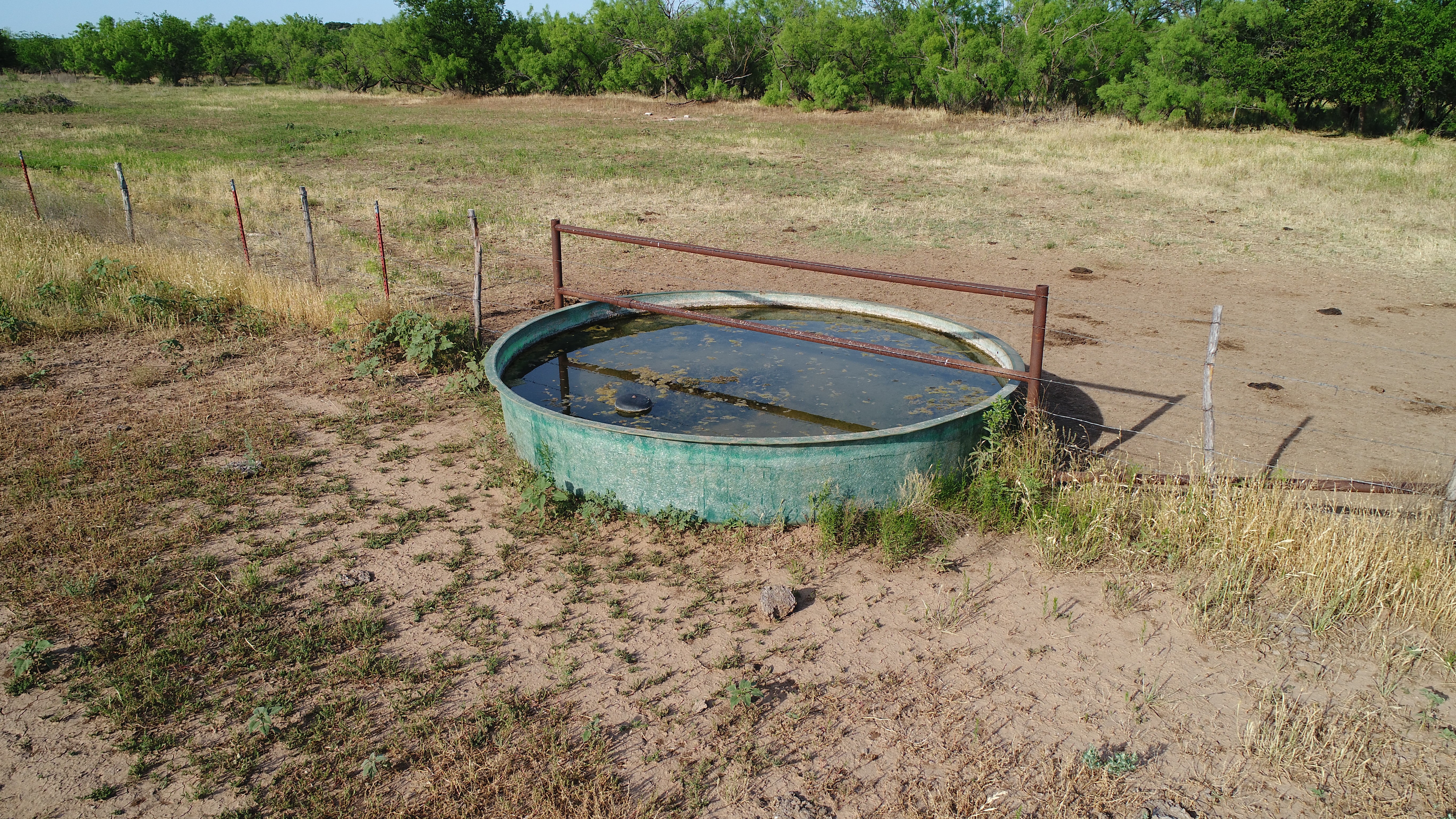
Texas ranches need a drought plan. A drought reserve reduces the forage counted as available so the estimate does not assume every pound of forage can be used in a normal year.
The reserve does not replace a real drought plan. It is a planning guardrail for buyers who want to compare properties before talking with an Extension agent, NRCS planner, or grazing consultant.
Why County Averages Can Mislead
County-level stocking numbers hide the differences that matter most:
- Native pasture versus improved pasture.
- Sandy soils versus heavy clay.
- Open grassland versus brush-dominated range.
- Well-distributed water versus limited water access.
- Recently rested pasture versus overgrazed pasture.
- Normal rainfall versus drought stress.
- Good fencing and rotation options versus one large unmanaged pasture.
County averages can help you ask better questions. They should not be the final answer.
Example Calculation
Illustrative example only:
- Grazable acres: 500
- Forage production: 1,500 pounds of dry matter per acre
- Utilization rate: 25 percent
- Drought reserve: 15 percent
- Grazing period: 12 months
- Animal-unit equivalent: 1.0 for a cow-calf pair
The calculator starts with 750,000 pounds of total forage. At 25 percent utilization, 187,500 pounds are planned for use. After a 15 percent drought reserve, about 159,375 pounds remain available. Using 780 pounds per animal-unit month, that equals about 204 animal-unit months. Over 12 months, that supports roughly 17 cow-calf pairs.
That number should be treated as a planning estimate. Field conditions can move the real answer higher or lower.
Calculator Limitations
The calculator does not replace local range advice or a site-specific grazing plan. It does not automatically inspect pasture condition, soil type, water distribution, brush density, rainfall, lease history, hay needs, supplemental feed, wildlife objectives, or livestock performance.
It also does not use a county dropdown, does not automatically adjust by county, and does not estimate cattle revenue. If those details matter to the purchase decision, they should be evaluated separately.
When To Consult A Professional
Talk with Texas A&M AgriLife Extension, NRCS, a local grazing specialist, or an experienced ranch manager when:
- You are making an offer on a cattle ranch.
- The property has mixed native and improved pasture.
- Brush cover or water distribution limits usable grazing.
- You plan to lease grazing rights.
- You are trying to preserve an ag valuation.
- You need a drought or rotational grazing plan.
- Your planned herd size is close to the calculator's estimated capacity.