Buying rural land in Texas? Here’s what you need to know about financing options. Rural land loans cover raw, unimproved, and improved property, but they are not underwritten the same way as ordinary home mortgages.
Based on Texas Hunting Land’s experience with conventional rural and recreational land transactions, buyers should generally plan on a minimum 20% down payment.
Some lenders require more, while eligibility-based programs may require less. Options can include conventional banks, Farm Credit institutions, owner financing, USDA Farm Service Agency farm-ownership loans for qualifying agricultural operators, and Veterans Land Board loans for eligible Texas veterans and military members.
Key Points:
- Conventional Financing: Based on our Texas land transaction experience, buyers should generally plan on a minimum 20% down payment.
- Program Options: Farm Credit, FSA farm-ownership loans, owner financing, and VLB loans for eligible Texas veterans serve different borrowers and property uses.
- Underwriting: Lenders review the borrower’s financial position along with the property, intended use, access, improvements, appraisal, and marketability.
- Application Process: Includes prequalification, property appraisal, due diligence, underwriting, and closing.
Whether you’re looking for a hunting ranch or a recreational tract, understanding loan options and requirements is essential for a smooth purchase. Keep reading for a step-by-step guide to securing rural land financing in Texas.
Loan Requirements and Types Available in Texas
Who Qualifies for Rural Land Loans
Securing a rural land loan in Texas involves meeting the financial and property requirements established by the lender or program. In our experience, a credit score around 620 is a common starting point for conventional rural land financing, but it is not a universal rule. Lenders evaluate the complete borrower file, including credit history, income, debts, liquidity, down payment, and the property being financed.
Income verification is another critical part of your application. Lenders usually require recent pay stubs, two years of federal tax returns, and bank statements showing consistent deposits. In addition, your debt-to-income ratio must fall within the limits set by the lender.
Identification, residency, and eligibility documents vary by lender and program. If you’re applying through the Texas Veterans Land Board land-loan program, be prepared to document Texas residency and qualifying military service.
Other necessary documents include a signed purchase contract for the land. This helps lenders determine the property’s value and shows your commitment to the purchase.
Now that you understand the qualifications, let’s explore the loan options available in Texas.
Types of Rural Land Loans Available

Once you’ve met the eligibility requirements, you can choose from a variety of rural land loans in Texas, each designed for different needs and circumstances.
USDA programs are not one general-purpose rural land loan. FSA Farm Ownership Loans serve eligible farmers and ranchers purchasing, developing, or expanding agricultural operations. USDA Section 502 housing programs serve qualifying buyers purchasing a primary residence in an eligible rural area and are not general financing for raw recreational land. USDA Sections 523 and 524 finance eligible organizations developing rural housing sites rather than ordinary individual land purchases.
The Veterans Land Board land-loan program serves eligible Texas veterans and military members. The current program generally offers up to $200,000, requires a minimum 5% down payment, uses a fixed 30-year term, and requires a qualifying tract of at least one net acre. Rates and program requirements can change, and every loan remains subject to borrower and property approval. Our VLB-eligible Texas land listings help buyers identify properties represented as meeting the program’s property criteria.
Private banks and Farm Credit institutions are common sources of financing for rural and recreational land. Based on Texas Hunting Land’s transaction experience, buyers using conventional financing should generally plan on a minimum 20% down payment, with some lenders requiring more depending on the borrower, property, improvements, acreage, and intended use. Texas Farm Credit publishes ranch and recreational land-loan options, but buyers should compare written terms from more than one qualified rural lender.
If traditional financing isn’t an option, owner financing could be a solution. In this arrangement, the seller acts as the lender, allowing buyers to negotiate payment terms directly. This option is particularly helpful for those who may not qualify for conventional loans or prefer more flexible payment terms.
Loan Program Comparisons
Understanding the differences between loan programs can help you pick the one that fits your needs and the type of property you’re purchasing. Each program has unique eligibility requirements, financial terms, and property use guidelines.
| Loan Program | Eligibility Criteria | Down Payment | Interest Rate | Property Use Restrictions |
|---|---|---|---|---|
| Conventional Rural Land Loan | Borrowers meeting lender underwriting | Minimum 20% is typical in our experience | Lender-specific | Varies by lender, property, and intended use |
| FSA Farm Ownership Loan | Eligible farmers and ranchers | Varies; the eligible beginning-farmer down-payment program requires 5% | Program- or lender-specific | Must support an eligible agricultural operation |
| USDA Section 502 Housing | Income-eligible primary-residence buyers in eligible rural areas | Qualified borrowers may be eligible for no-money-down financing | Program- or lender-specific | Primary residence, not general raw recreational land |
| Texas GLO/VLB Land Loan | Eligible Texas veterans and military members | Minimum 5% | Fixed rate published by VLB and subject to change | Qualifying tract of at least one net acre and other program requirements |
| Owner Financing | Negotiated between buyer and seller | Negotiable | Negotiable | Determined by the written agreement |
Income limits are program-specific. USDA Section 502 Guaranteed housing loans generally limit household income to 115% of the area median income, while Section 502 Direct uses separate low- and very-low-income standards. FSA Farm Ownership and VLB land loans use different eligibility rules. Do not assume that a property or buyer qualifies merely because a program carries the USDA or VLB name.
Property use restrictions can also shape your decision. For example, agricultural loans often require the land to be used for farming or ranching, while recreational land loans tend to be more flexible. Knowing these restrictions ahead of time can save you from future complications.
Texas Hunting Land listings frequently lists properties marked as “VLB Eligible” for Veterans Land Board financing or “Owner Finance” for seller-financed options. This variety allows buyers to align their financing needs with the right properties, whether they’re using government-backed loans or private agreements.
How to Apply for Rural Land Loans: Step-by-Step Process
Getting Ready to Apply
Before diving into the application process, take some time to gather the necessary documents and confirm that your property qualifies for rural financing. This initial preparation can make the entire process much smoother.
Financial Documentation Requirements
Start by collecting your financial records. Lenders will want to see proof that you can repay the loan. Typically, this includes recent pay stubs and federal tax returns for the last two years. Additionally, provide bank statements showing consistent deposits and any documentation related to outstanding debts or liabilities. If you’re self-employed, you’ll also need profit and loss statements along with two years of personal tax returns to demonstrate stable income.
Personal Identification and Legal Documents
Make sure you have your identification documents ready. A valid Texas driver’s license and a Social Security card are commonly required.
Property Assessment and Eligibility
Confirm that the property meets the requirements of the specific loan being considered. Buyers using USDA Section 502 housing financing can check the USDA property eligibility map. Raw land, recreational land, FSA farm loans, and VLB loans use different property standards. Texas Hunting Land agents can help buyers identify properties to discuss with a qualified lender.
Choosing Your Lender
Pick a lender who understands rural land transactions and local property values. Local lenders often have valuable insights into rural land use and may offer more flexible terms. If you’re applying for a USDA loan, confirm that your lender is USDA-approved.
Once you’ve gathered your documents and chosen a lender, you’re ready to move forward with your application.
Filing Your Loan Application
With your preparation complete, here’s how to proceed with your application.
Prequalification vs. Pre-Approval
Start with prequalification to get an idea of your budget and strengthen your offer. Prequalification is a quick process that uses basic financial details and a soft credit check. Pre-approval, however, is more in-depth, requiring full documentation and a hard credit check. A pre-approval letter, valid for several months, shows sellers and lenders that you’re serious and financially prepared.
Submitting Your Application
When you’re ready, submit a formal loan application along with all required documents. Be sure to include the completed purchase contract, as it helps the lender determine the property’s value and shows your commitment to the purchase. If applicable, provide detailed land use plans as well.
Credit Check and Financial Review
Lenders review credit, income, debts, liquidity, down payment, repayment ability, and the property being financed. A credit score around 620 is a common conventional starting point in our experience, but specific score and debt-to-income requirements vary. USDA Section 502 Guaranteed does not establish one universal program-level minimum credit score, although approved lenders still apply underwriting standards.
Property Appraisal and Survey
The lender will arrange for an appraisal to confirm the market value of the property and ensure it meets program guidelines. This step protects both you and the lender from valuation issues. If the property survey is outdated or unavailable, you’ll need to order a new one to verify boundaries and identify any easements or encroachments.
Underwriting Process
During underwriting, the lender evaluates the risk and confirms your eligibility for the loan program by thoroughly reviewing your documentation and the property’s qualifications. They may ask for additional information if necessary. Application fees are typically paid at this stage.
Completing the Loan Closing
The closing process is the final step, where ownership of the property is officially transferred to you. Knowing what to expect can help this step go smoothly.
Pre-Closing Preparation
Before closing, review all easements and encumbrances noted in the property survey to ensure they won’t interfere with your plans for the land. You’ll also need to secure property insurance and provide proof of coverage to the lender, as it’s required before loan funds can be released.
Closing Day Process
On the day of closing, you’ll review and sign the final loan documents that legally bind you to the loan terms. Take your time to carefully read each document before signing. Closing costs vary by property, lender, title work, survey needs, and loan structure. Ask the lender and title company for transaction-specific estimates covering loan origination, appraisal, title insurance, survey, recording, and other required charges.
Final Steps and Fund Disbursement
Before the lender releases the funds, they will verify that all conditions have been met, including proper document execution and proof of insurance. Once the funds are disbursed, the property is officially yours. The closing date is scheduled only after all underwriting and appraisal steps are completed, ensuring the transaction is finalized without issues. This marks the end of the rural land loan process in Texas.
How to Work with Rural Land Lenders
Picking the Right Lender
Choosing the right lender for your rural land purchase is a crucial step in ensuring a smooth transaction. You’ll want to work with financial institutions that understand the unique nature of Texas rural properties. This expertise becomes especially important when lenders evaluate the specific characteristics of these properties during the loan process.
Local Lenders and Farm Credit Institutions
If you’re financing rural land in Texas, start by considering local lenders and farm credit institutions. These organizations often have a deep understanding of local land values, zoning regulations, and the unique challenges tied to the region. For example, a 500-acre hunting ranch in East Texas is vastly different from a cattle operation in West Texas, and local lenders know how to account for these differences.
Texas Farm Credit publishes financing options for ranch and recreational land. Review the current product requirements directly and compare the complete written terms with proposals from other lenders that regularly finance Texas rural property.
Experience with Rural Land Transactions
It’s important to evaluate a lender’s experience with rural land transactions. Ask about their track record: How many rural land loans have they closed recently? Do they understand the differences between raw land and improved hunting properties? How do they handle features like mineral rights or existing hunting leases? Experienced lenders often have strong relationships with local appraisers and title companies, which can help navigate challenges like easements, water rights, and boundary issues.
Government-Backed vs. Conventional Options
Government and eligibility-based programs serve different borrowers. FSA Farm Ownership Loans support qualifying agricultural operators. USDA Section 502 supports qualifying primary-residence buyers in eligible rural areas. VLB land loans serve eligible Texas veterans and military members. Conventional rural lenders and Farm Credit institutions can finance recreational and ranch property under their own underwriting standards. Identify the intended use first, then compare the programs and lenders that actually finance that use.
How Lenders Review Hunting and Recreational Land
Once you’ve chosen a knowledgeable lender, it’s important to understand how they evaluate hunting and recreational properties. These types of land are unique - they don’t fall neatly into residential or commercial categories. Lenders will closely examine the property’s intended use, income potential, and market value to ensure it meets their loan requirements.
Primary Use and Income Potential
Lenders often assess hunting and recreational land by looking at its intended use and how it might generate income. For example, is the land suited for hunting, cattle ranching, or farming? Presenting a clear plan - such as leasing hunting rights or outlining a cattle operation - can strengthen your application. If the property already has hunting leases in place, that can highlight its ability to produce steady revenue.
Natural Resources and Infrastructure
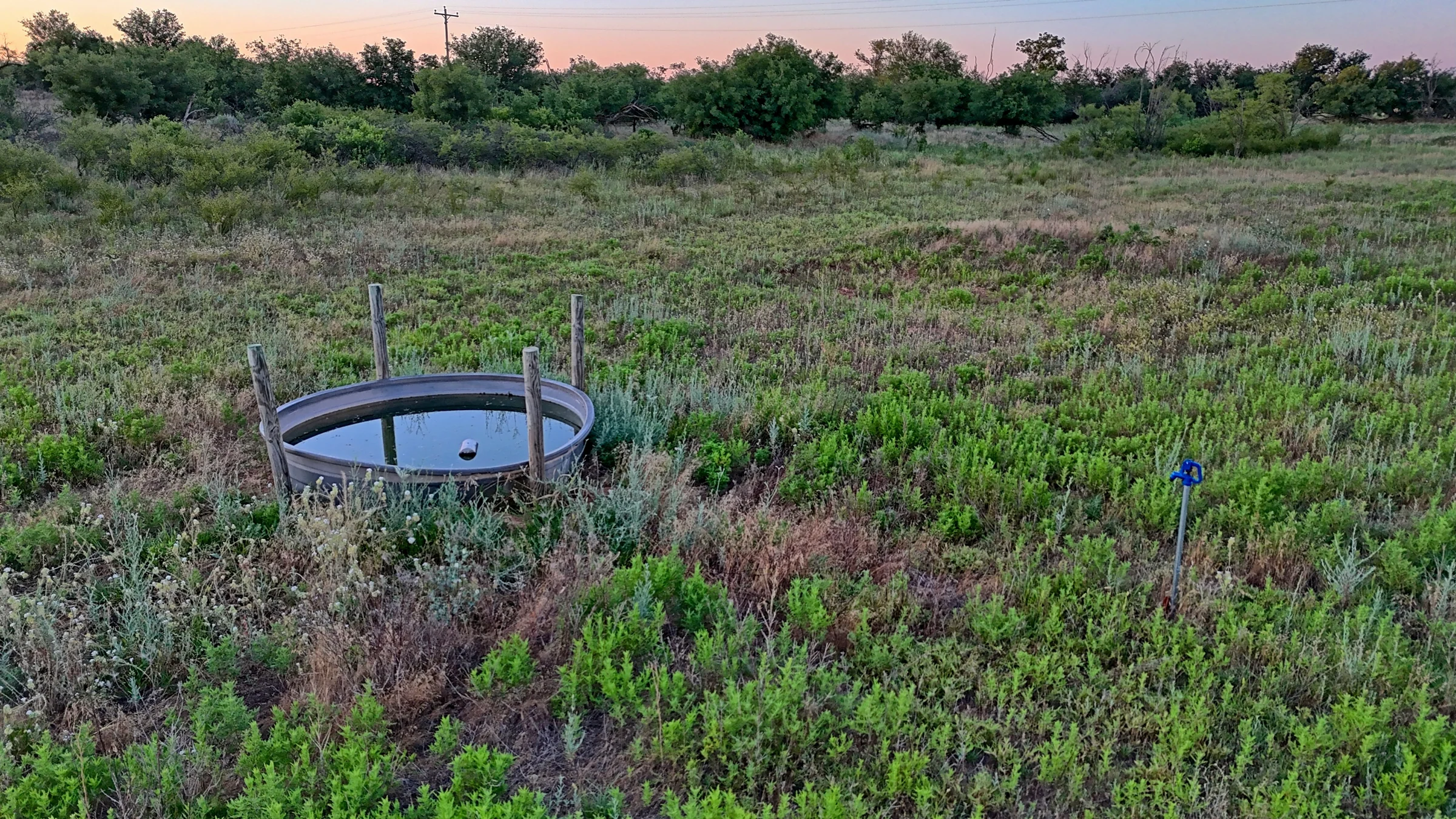
The presence of natural resources like rivers, creeks, lakes, or ponds can significantly impact a property’s value. These features support wildlife and enhance recreational opportunities, making the land more appealing. Additionally, infrastructure improvements - such as game fencing, roads, or hunting blinds - add value by showing that the property has been actively managed.
Regional Market Characteristics
Where the property is located plays a big role in its valuation. For instance, a hunting property in the Hill Country will likely be appraised differently than ranchland or timberland in other parts of Texas. Lenders who are familiar with local markets can provide appraisals that better reflect the land’s true value and its potential for long-term appreciation.
The Value of Specialized Expertise
Working with specialists, such as Texas Hunting Land, can give you an edge during the lending process. These professionals understand hunting, ranch, and recreational properties inside and out, helping both buyers and lenders see the full potential and value of the land. Their expertise, combined with thorough property documentation, can improve appraisal accuracy and demonstrate your commitment to the property. Having well-prepared marketing materials can make a strong impression and increase your chances of securing financing for unique rural land.
What to Do After Buying Rural Land
Once the closing process is complete, it’s time to focus on managing your loan and your property. This phase ensures you remain compliant with loan terms while also taking steps to maximize the value and utility of your land.
Meeting Your Loan Requirements
After closing, staying on top of your loan obligations is crucial. The most basic - and important - step is making payments on time. Setting up automatic payments can help you avoid late fees or higher interest rates.
Take a close look at your loan documents to identify any restrictions. Some loans may require you to occupy the property, while others might limit commercial activities. Understanding these terms upfront helps you avoid unintentional violations.
Keep detailed records and maintain open communication with your lender. If your loan requires specific actions - such as building a home or installing utilities - document everything. This includes saving receipts, contracts, and photos that show progress. Accurate recordkeeping can protect you in case of disputes or audits.
Don’t forget to budget for ongoing costs like property taxes, insurance, and maintenance. It’s also wise to set aside an emergency fund to cover unexpected expenses that could otherwise jeopardize your loan compliance.
If financial difficulties arise, contact your lender immediately. Many lenders offer options like payment assistance or restructuring plans to help borrowers stay on track.
While meeting loan terms is critical, managing your property effectively is just as important for protecting your investment.
Managing Your Rural Property
Good property management ensures your land retains its value and serves your intended purpose for years to come. Start with regular inspections to catch potential issues early, such as disputes over boundaries, easement problems, or environmental concerns.
Maintaining fences and boundaries is especially important for larger properties. Regularly check and repair fences to prevent disputes with neighbors and keep trespassers out. Clearly marked boundaries also help avoid unauthorized use of your land.
If your property includes water features, managing water access is essential - especially in Texas, where water rights can significantly affect land value. Whether you’re maintaining stock tanks for livestock, preserving creek access for wildlife, or ensuring water availability for hunting camps, a clear water management plan protects both your investment and the environment.
For land used for hunting or recreation, wildlife management is key. This might involve controlling invasive species, improving native habitats, and adopting sustainable land-use practices. Tools like wildlife management guides and cloud-based mapping services from Texas Hunting Land can help you plan improvements and monitor your property effectively.
Security measures are another priority for hunting and recreational properties. Installing signs, maintaining clear boundaries, and using surveillance systems can deter trespassers and poachers. Texas Hunting Land even offers live wildlife camera feeds, which not only enhance security but also allow you to observe wildlife activity.
Don’t overlook your tax responsibilities. Texas property taxes vary by county and land use, but you might qualify for agricultural or wildlife exemptions that can lower your tax bill significantly. Reach out to your local tax assessor to explore these options and ensure compliance with local regulations.
Professional resources can make property management easier. Services like cloud-based mapping, property photography, and detailed guides from Texas Hunting Land provide tools to document your land’s condition and plan for improvements. These resources can also be helpful when working with lenders, insurers, or tax officials who may require detailed property information.
Lastly, build strong relationships with neighboring landowners, local extension offices, and land management professionals. These connections can provide valuable advice, share resources, and help you navigate challenges. Many rural landowners find that learning from experienced neighbors and staying involved in local agricultural or conservation groups can make a big difference.
Taking these steps now will help ensure your rural property remains a valuable and enjoyable investment for years to come.
Conclusion: Getting Rural Land Loans in Texas
Securing a rural land loan in Texas takes careful preparation and a solid grasp of the specific financing requirements. The process typically includes getting prequalified, gathering the necessary documents, and completing the closing steps, which often involve property surveys and easement reviews. These steps are essential to ensure you’re fully prepared to finance your rural Texas property.
Loan terms differ by borrower, property, and intended use. Conventional rural land financing commonly starts with at least 20% down in our experience, while VLB, FSA, USDA housing, and owner-financing options have separate eligibility and property requirements. Choosing the right financing path begins with identifying exactly how the land will be used.
Working with experienced lenders and real estate professionals can save you time and help you avoid costly mistakes. For example, Texas Hunting Land provides extensive property listings and useful tools like a guide to buying hunting land and cloud-based mapping services. Their expertise in rural properties can help you find land that meets lender requirements and aligns with your needs.
FAQs
What’s the difference between USDA loans and Veterans Land Board loans for buying rural land in Texas?
“USDA loan” can refer to programs serving very different purposes. FSA Farm Ownership Loans are for eligible agricultural operators. USDA Section 502 housing loans are for qualifying buyers purchasing a primary residence in an eligible rural area, not general raw recreational land. Sections 523 and 524 primarily finance eligible organizations developing rural housing sites.
VLB land loans are for eligible Texas veterans and military members. The current program generally requires a minimum 5% down payment, offers up to $200,000 for an individually eligible borrower, uses a fixed 30-year term, and requires a qualifying tract of at least one net acre. Current rates and requirements should always be confirmed directly with the VLB.
The correct choice depends on the borrower’s eligibility, intended property use, tract qualifications, and the lender’s underwriting.
What is owner financing, and how does it work as an alternative to rural land loans in Texas?
Owner financing offers a more personalized alternative to traditional rural land loans. In this arrangement, the property seller steps into the role of the lender, allowing the buyer to make payments directly to them over a set period. This can be a practical option for those who may not meet the requirements for conventional loans or who prefer a less complicated approval process.
In Texas, owner financing typically involves direct negotiations between the buyer and seller on terms such as the down payment, interest rate, and repayment schedule. It’s crucial for buyers to thoroughly review the agreement, paying close attention to details like penalties for late payments or early payoff. Consulting a real estate attorney is highly recommended to ensure the contract is fair and safeguards the interests of both parties.
What should I do to ensure my rural land in Texas stays compliant with loan requirements after purchase?
To ensure your rural land in Texas stays in line with your loan terms, it’s essential to closely follow your lender’s requirements. Begin by thoroughly reviewing your loan agreement to understand key obligations, such as keeping property insurance up to date, paying taxes on time, and adhering to any land use restrictions outlined in the contract.
It’s also a good idea to maintain detailed records of any improvements or changes you make to the property, ensuring they comply with the loan conditions. If anything seems unclear, don’t hesitate to contact your lender for clarification. Taking these steps can help you avoid complications and make property ownership a more seamless experience.