


County Land Guide
Eastland County Land Guide
Presented by Keely Rawson
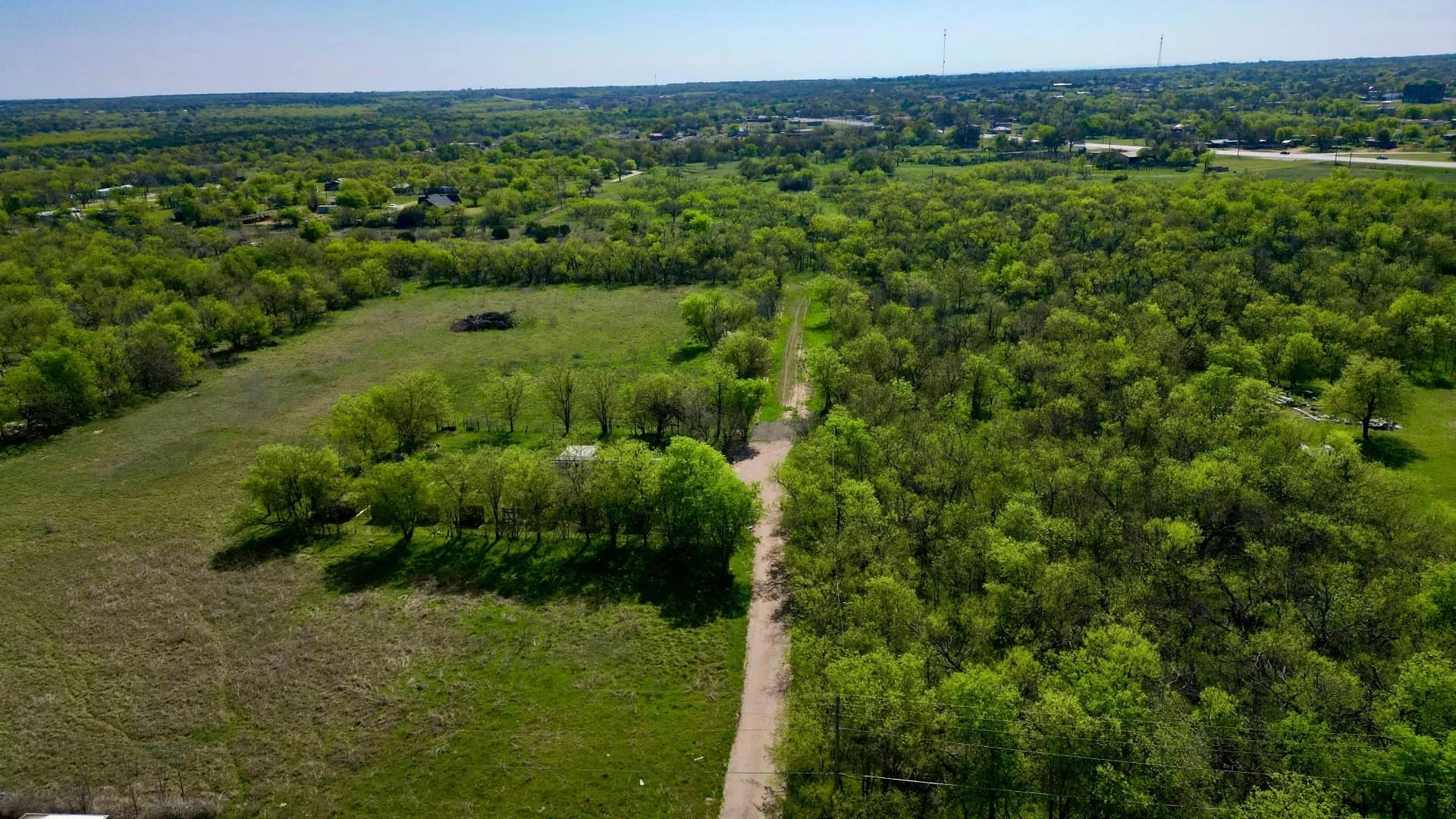
Eastland County sits at the western edge of the Cross Timbers region, where rolling post oak and mesquite terrain meets open rangeland in the heart of North-Central Texas. The county covers roughly 930 square miles of diverse landscape - a mix of rugged cedar breaks, native grass pastures, and cultivated fields that make it genuinely useful land for a variety of buyers and purposes.
Terrain and Vegetation
The topography across Eastland County is varied enough to keep things interesting. You'll find creek-bottom hardwoods, rocky limestone ridges, and wide-open pastures all on the same tract. Native grasses like little bluestem and sideoats grama hold the hillsides, while draws and drainages support stands of live oak, elm, and pecan. Mesquite is present throughout and requires management, but it also provides cover and mast that wildlife readily use.
Hunting
Whitetail deer hunting is the primary draw for most hunting-oriented buyers in Eastland County. The county's blend of brushy cover and open pasture creates solid browse and movement patterns, and deer numbers here are respectable by Rolling Plains standards. Beyond whitetail, hunters pursue:
- Feral hogs, which are abundant and active year-round
- Rio Grande turkey in the creek bottoms and wooded drainages
- Dove on the grain fields and open pastures during early season
- Predators including coyote and bobcat
Ranching and Agriculture
Cattle ranching is the backbone of land use in Eastland County. Native and improved pastures support cow-calf operations, and many tracts carry solid carrying capacity when properly managed. Peanuts and small grains have historically been grown in the county's better soils, and hay production is common. Buyers looking for a working ranch with real agricultural income potential will find legitimate options here.
Water
Leon River headwaters and several smaller creek systems cross the county, providing seasonal and in some cases perennial surface water. Stock tanks are common on ranch properties and support both livestock operations and wildlife. Timber Creek and Lyons Creek are notable drainages worth attention when evaluating individual tracts. Groundwater is generally accessible through water wells across most of the county.
Location and Proximity
Eastland County is well-positioned for buyers who want land within reasonable reach of the Metroplex without paying DFW-adjacent prices. Eastland, the county seat, sits directly on Interstate 20, putting it roughly 100 miles west of Fort Worth - close enough for weekend trips, far enough to feel like real ranch country. Abilene is about 60 miles to the west, and Cisco and Ranger provide additional local services.
Why Buyers Choose Eastland County
Land in Eastland County tends to offer genuine value relative to counties closer to the Metroplex. Buyers typically come looking for a combination of recreation and working land - a place that earns its keep with cattle while also holding huntable wildlife and enough elbow room to enjoy. The county's location on I-20 is a practical advantage that serious buyers factor into their decisions.
Browse the current Eastland County listings below to see what's available - each property has been evaluated for its terrain, water, and land use potential by our team.