

County Land Guide
Runnels County Land Guide
Presented by Heather Dawn
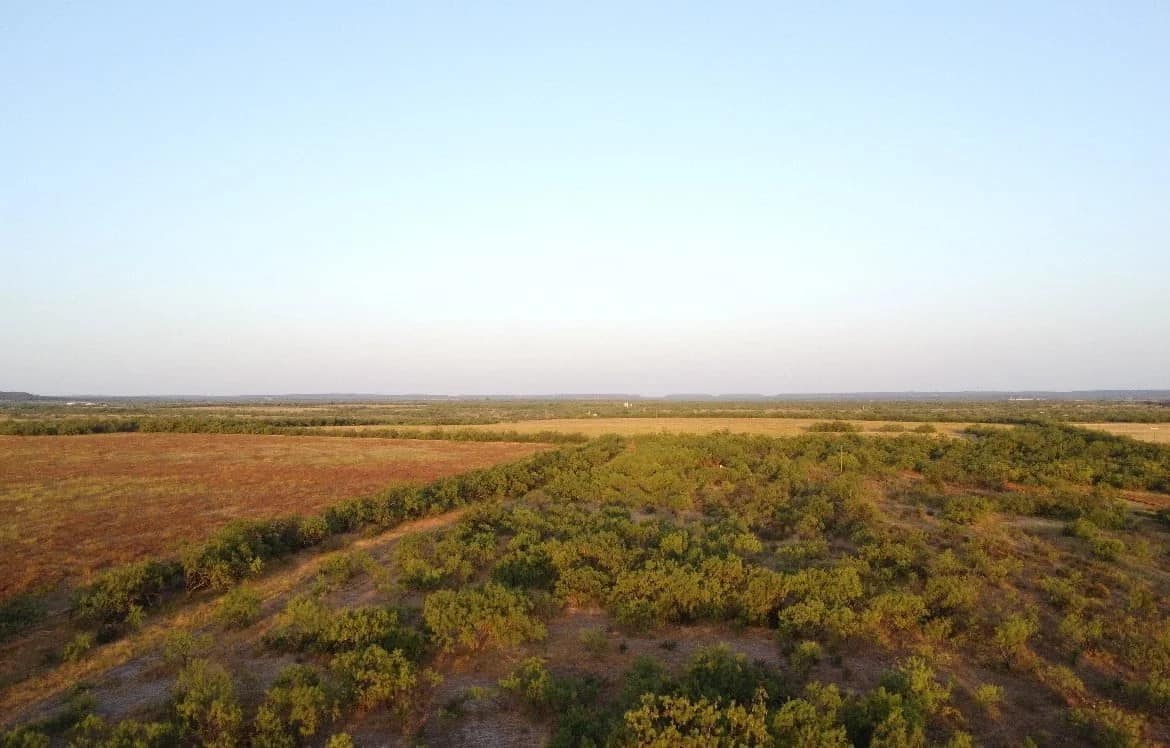
Runnels County sits at the heart of West-Central Texas, straddling the transition zone between the Edwards Plateau and the Rolling Plains. That geography gives the land here a distinctive character - gently rolling terrain cut by draws and creek beds, with native grasses, mesquite, shin oak, and scattered cedar making up the bulk of the vegetation. It's working country through and through, with a landscape shaped equally by livestock operations and wildlife.
Hunting in Runnels County
Whitetail deer are the primary draw for hunters in Runnels County, and the population here is solid. The broken terrain, brushy draws, and playa lake edges give deer good cover and reliable travel corridors. Feral hogs are abundant and present year-round, making them a target of opportunity on virtually every property. Rio Grande turkey are also present throughout the county, particularly near water sources and agricultural fields.
Waterfowl hunting is an underrated asset in this part of Texas. The playa lakes scattered across the county attract ducks and geese during migration, and a wet year can produce outstanding hunting on properties with low-lying flood areas. Dove hunting - both mourning and white-winged - is consistently strong given the mix of grain fields and native brush that defines much of the county.
Ranching and Agriculture
Runnels County has long been one of the stronger agricultural counties in this part of Texas. The land supports a mix of:
- Cow-calf and stocker cattle operations
- Dryland and irrigated cotton production
- Grain sorghum and small grain farming
- Sheep and goat ranching
Soils range from sandy loams in the uplands to heavier clay soils in the lower flats, giving buyers options depending on whether they're prioritizing grazing, cultivation, or a mix of both. Many properties carry a combination of native pasture and cultivated acreage, which adds flexibility and income potential.
Water in Runnels County
The Colorado River runs through the eastern portion of the county, and Elm Creek and several tributaries provide seasonal water across the landscape. Stock tanks and earthen ponds are common on ranch properties. Irrigation water from both surface sources and groundwater has historically supported farming operations, though buyers should conduct due diligence on current water availability and any applicable regulations.
Location and Proximity
Ballinger serves as the county seat and offers a full range of services for landowners. Winters, located in the northern part of the county, is another established community with local amenities and a strong agricultural identity. San Angelo is roughly an hour to the southwest, and Abilene sits about an hour to the north - both offering regional airports, hospitals, and larger commercial services. That accessibility makes Runnels County practical for buyers who want rural land without being isolated from urban infrastructure.
Why Buyers Choose Runnels County
Land in Runnels County tends to offer better value per acre compared to counties closer to major metros, while still delivering genuine hunting, ranching, and agricultural utility. Buyers here are typically looking for working land that earns its keep - not just a weekend retreat. The combination of productive soils, consistent wildlife, and reasonable access to services makes it a practical choice for experienced landowners.
The listings below reflect the range of opportunities currently available in Runnels County, from rural acreage to unique commercial properties in established communities.