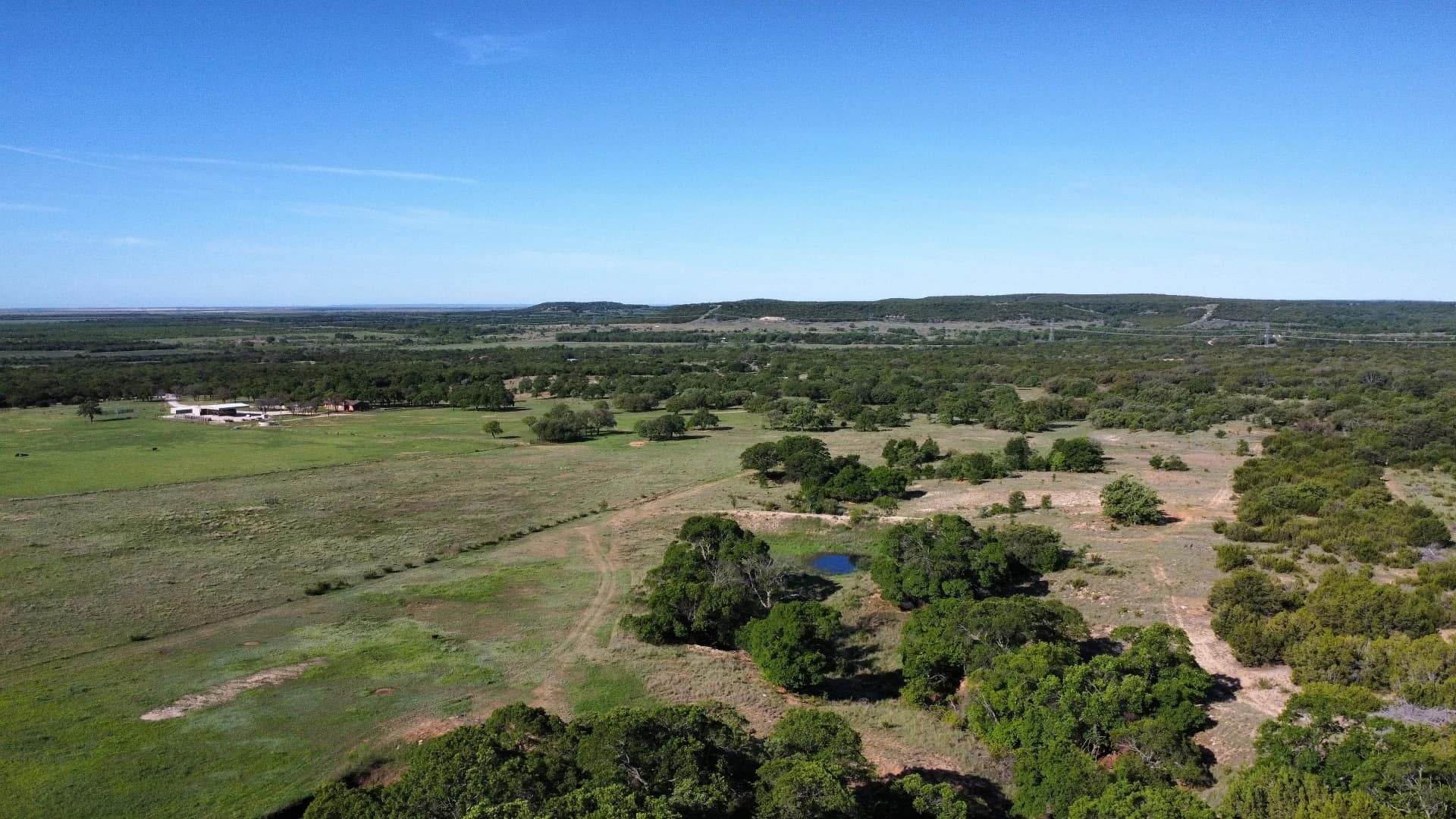
Cochran County sits in the southern reaches of the Texas Panhandle, tucked along the New Mexico state line on the Llano Estacado - the high, flat tableland that defines this corner of the state. Elevation runs around 3,500 feet, and the terrain is largely level to gently rolling, with draws and playa lakes breaking the monotony of the plains. This is cotton country at its core, but the land offers more than agriculture alone.
Terrain and Vegetation
The landscape is classic South Plains - wide open skies, short-grass prairie, and cultivated fields stretching to the horizon. Native grasses like blue grama and buffalograss cover rangeland acres, while sand sage and shinnery oak fill the sandy soils common in the eastern portions of the county. Caliche flats, sandy loam fields, and occasional draws give the land texture that varies more than a quick glance suggests.
Hunting in Cochran County
Cochran County doesn't carry the trophy deer reputation of the Hill Country or South Texas, but hunters who know this area understand its strengths. Mule deer are the primary big game target, roaming the sandy shinnery draws and open rangeland. Pronghorn antelope are present in limited numbers near the New Mexico border. The county's playa lakes are a legitimate draw for waterfowl hunters - ducks and geese stage on these seasonal wetlands during migration in significant numbers. Dove hunting is strong in the agricultural fields each September.
- Mule deer on rangeland and shinnery draws
- Migratory waterfowl on playa lakes
- Dove hunting over dryland crop fields
- Pronghorn antelope near the western county line
Agriculture and Ranching
Cotton is king in Cochran County. Dryland and irrigated cotton operations dominate the agricultural landscape, with grain sorghum and wheat filling out the rotation on many farms. Groundwater access through the Ogallala Aquifer supports irrigation, though water levels and availability vary across the county and merit careful due diligence before purchase. Cattle grazing on native pasture rounds out the ranching picture for landowners who want year-round agricultural income from their acreage.
Water and Infrastructure
Playa lakes scattered across the county provide seasonal water for wildlife and livestock. Ogallala groundwater supports irrigation across a significant portion of the county's farmland. Rural water systems serve most of the populated areas, and paved farm-to-market roads give reasonable access to most tracts.
Proximity to Major Towns
Morton, the county seat, serves as the local hub for services and supplies. Lubbock lies roughly 60 miles to the east, providing access to a regional airport, medical facilities, and full retail services. The proximity to Lubbock makes Cochran County a practical option for buyers who want rural acreage without being entirely off the grid.
Why Buyers Choose Cochran County
Land values on the South Plains remain more accessible than in other Texas regions, and Cochran County offers working farmland, hunting, and open country in a package that attracts both agricultural investors and rural lifestyle buyers. The combination of productive soils, playa lake waterfowl hunting, and proximity to Lubbock makes it a county worth a closer look.
Browse the current Cochran County listings below to see what's available on the market today.