

County Land Guide
Smith County Land Guide
Presented by Andrew Pennington
Smith County sits at the heart of East Texas, where the Piney Woods meet rolling hardwood uplands and creek-fed bottomlands. This is the kind of country that draws buyers who want productive timber land, reliable hunting ground, and reasonable proximity to a major city - without sacrificing the feel of genuine rural East Texas.
Terrain and Vegetation
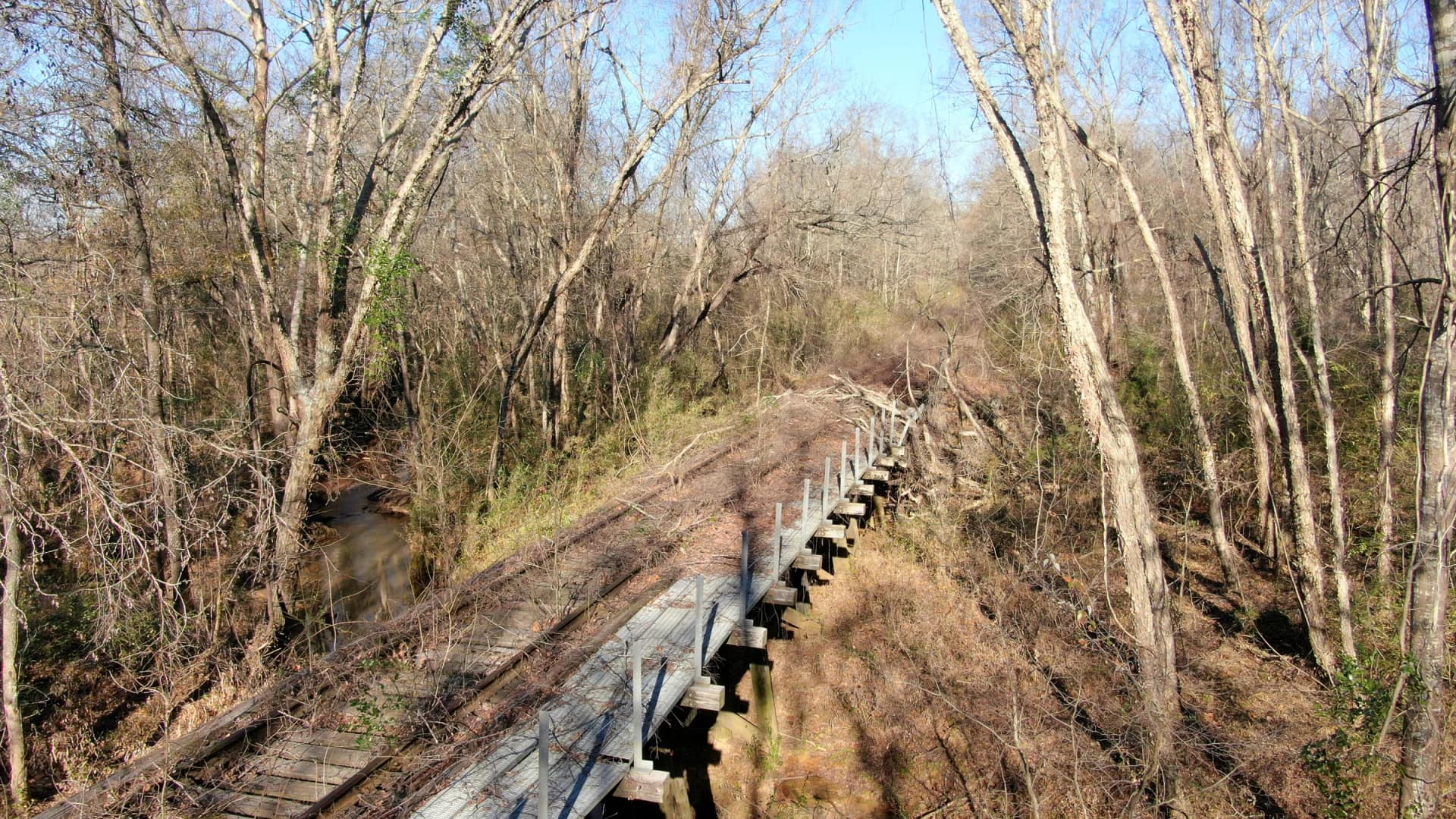
The landscape across Smith County runs from gently rolling uplands to creek drainages thick with hardwood timber. Expect mature stands of post oak, white oak, sweetgum, and loblolly pine, with dense understory along drainages and sloughs. The terrain holds enough elevation change to create defined ridgelines, natural funnels, and commanding high points - features that matter whether you're building a home or hanging a deer stand.
Hunting in Smith County
Smith County produces consistent whitetail deer hunting, with the hardwood timber and creek corridors providing natural browse, mast crops, and travel routes. The county's network of creeks, sloughs, and small ponds also makes it one of the more underrated waterfowl destinations in the region. Duck hunters targeting wooded sloughs and feeder creeks find good action during migration. Wild hogs are present throughout the county and provide year-round hunting opportunity. Eastern wild turkey rounds out the mix, using the open hardwood timber for strutting and roosting.
Primary Game Species
- Whitetail deer
- Waterfowl - ducks along creeks, sloughs, and ponds
- Wild hog
- Eastern wild turkey
Agricultural and Timber Characteristics
Smith County land carries strong timber value, with many tracts supporting harvestable pine and hardwood stands. Smaller open acreage is used for hay production and improved pasture, and many properties combine wooded hunting ground with practical grazing or agricultural acres. Timber exemptions and wildlife exemptions are both commonly used here, giving landowners meaningful flexibility on property taxes.
Water Features
Water is one of Smith County's consistent strengths. The county is drained by numerous creeks and tributary systems feeding into the Sabine River basin. Ponds are common on rural tracts, and natural sloughs form along bottomland areas, creating reliable year-round water sources that support both wildlife and livestock. Properties with both upland timber and creek or pond frontage tend to hold the most value and draw the most buyer interest.
Proximity and Access
Tyler, the largest city in East Texas, sits at the center of Smith County and provides full urban amenities - regional medical facilities, retail, and a busy airport with commercial service. Surrounding communities including Whitehouse, Lindale, Bullard, and Troup offer small-town convenience with quick access to rural properties. For buyers commuting from the Dallas-Fort Worth area, Smith County land sits roughly 90 miles east of Dallas along Interstate 20, making weekend use highly practical.
Why Buyers Choose Smith County
Smith County draws buyers who want East Texas timber and hunting land within reach of a real city. The combination of mature hardwoods, reliable water, solid whitetail and waterfowl habitat, and proximity to Tyler makes this county one of the more well-rounded land markets in the region. Whether the goal is a hunting tract, a timber investment, or a rural homesite, Smith County consistently delivers.
The listings below represent current available properties in Smith County. Each offers a distinct combination of East Texas terrain, timber, water, and access worth evaluating on its own terms.