
County Land Guide
Young County Land Guide
Presented by Andrew Pennington
Young County sits in the heart of North Central Texas, straddling the transition zone between the Rolling Plains to the west and the Eastern Cross Timbers to the east. That geography shapes everything about the land here - the soils, the vegetation, the water, and the wildlife. Buyers who know this region understand they're looking at genuine working-country acreage with strong recreational upside.
Terrain and Vegetation
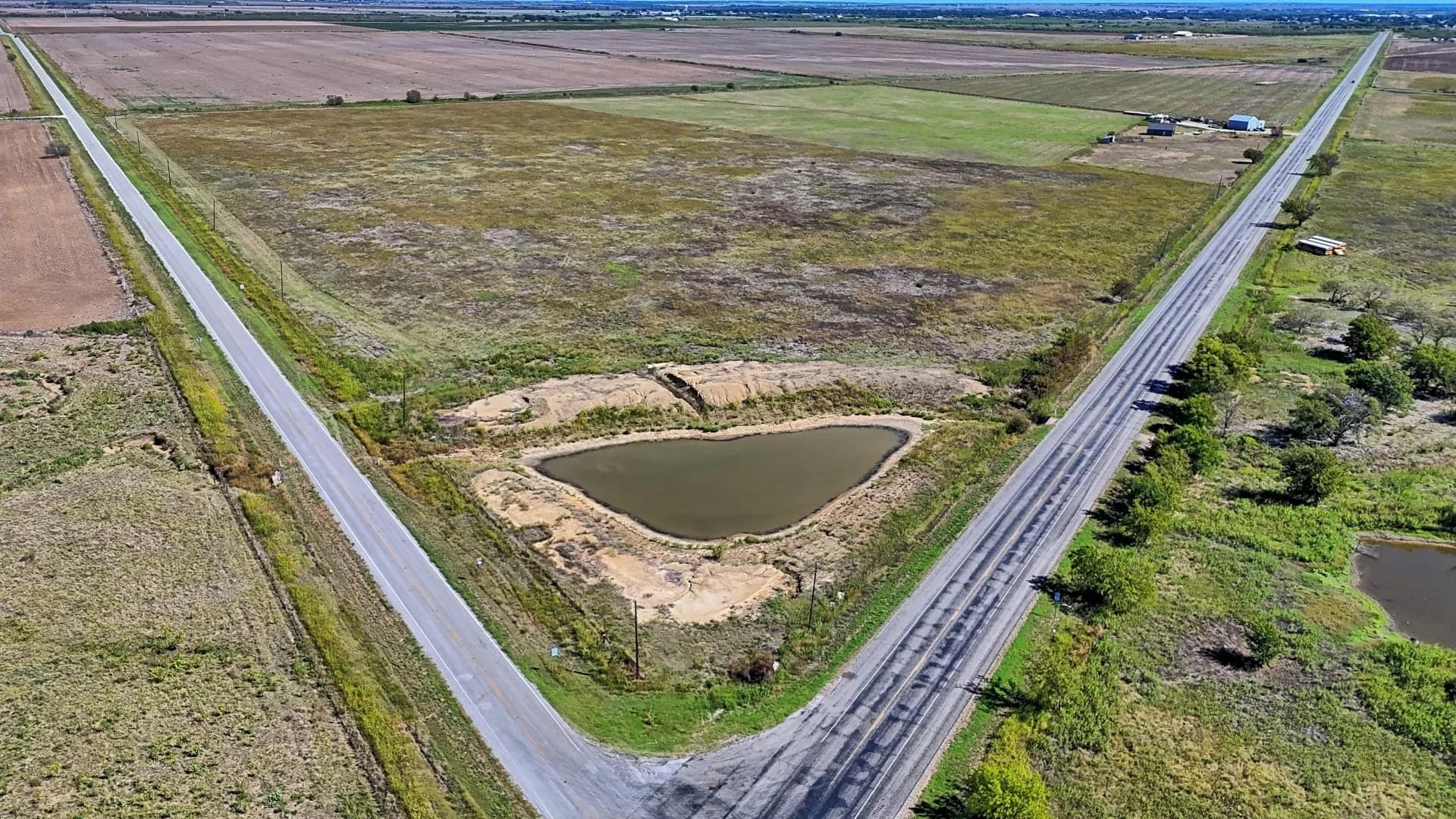
The landscape across Young County is a mix of open mesquite grasslands, cedar breaks, and native pastures dominated by sideoats grama, little bluestem, and buffalograss. Creek drainages cut through the rolling terrain, creating natural corridors that hold wildlife and add visual character to tracts of nearly any size. Soils range from sandy loams along the bottoms to clay-heavy upland pastures well suited to native grass production and livestock grazing.
Hunting in Young County
Whitetail deer are the primary draw for hunters in Young County, and the native brush and creek timber provide solid browse and bedding cover that supports respectable deer numbers. Wild hogs are present across the county and offer year-round hunting opportunities. Dove hunters benefit from the agricultural fields and water sources scattered throughout the area, while turkey populations occupy the cedar and mixed brush country along creek drainages. The county doesn't carry the same hunting pressure as more heavily marketed regions to the south, which tends to keep both land prices and hunter competition in check.
Ranching and Agricultural Use
Young County has long been cattle country, and the land reflects it. Many tracts come with established perimeter and cross-fencing, stock ponds, and native pastures that are ready to carry cattle without significant infrastructure investment. Coastal bermuda hay production is common on the better-watered bottomlands, and dryland wheat and grain sorghum operations fill out the crop picture on upland acreage. For buyers looking for a property that can generate income from day one, Young County delivers dependable options across a range of tract sizes.
Water Features
Stock ponds are a fixture on Young County ranches, and many properties also have frontage on or access to the Salt Fork of the Brazos River and its tributaries. These creek and river systems provide water for livestock, wildlife habitat, and recreational fishing, with catfish and bass common in the deeper holes.
Location and Proximity
Graham serves as the county seat and provides full-service amenities including medical facilities, schools, and retail. Young County land sits roughly 80 miles northwest of Fort Worth and about 100 miles northeast of Abilene, giving buyers a practical commute window from major metro areas. Highway 380 and US 281 connect the county efficiently to surrounding markets, making it a realistic option for buyers who want working rural land without complete isolation.
Why Buyers Choose Young County
- Affordable per-acre land values relative to counties closer to the Metroplex
- Established infrastructure on many tracts - fencing, ponds, utilities
- Dual-use appeal for both cattle operations and recreational hunting
- Reasonable drive time from Fort Worth and Abilene
- Less competition and lower hunting pressure than more heavily marketed regions
The listings below represent current Young County properties available through Texas Hunting Land, ranging from small recreational tracts to larger working ranches. Each one reflects something distinct about what this county has to offer - take a closer look to find the acreage that fits your operation or your outdoor goals.