


County Land Guide
Foard County Land Guide
Presented by Andrew Pennington
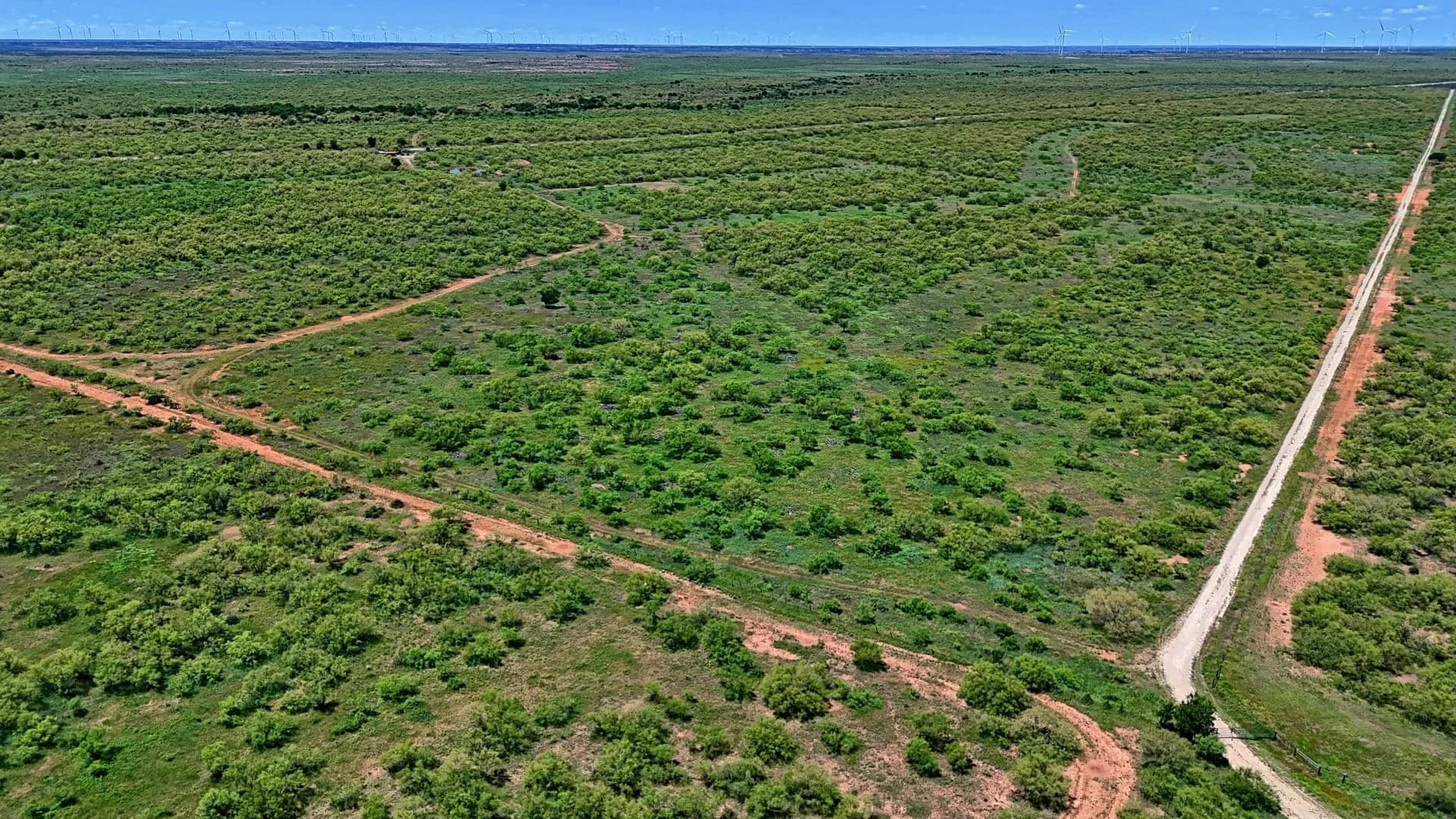
Foard County sits in the rolling red-dirt country of northwest Texas, tucked along the Prairie Dog Town Fork of the Red River drainage and bordered by the Pease River to the north. It's rugged, remote, and largely unchanged - the kind of place where serious land buyers come looking for value, solitude, and genuine hunting ground without the premium price tags attached to more heavily marketed Texas regions.
Terrain and Vegetation
The landscape here is classic Rolling Plains - broken topography cut by draws and creek drainages, with native brush communities dominated by mesquite, sand plum, catclaw acacia, and tobosagrass flats. Caliche outcroppings and red sandy loam soils give the terrain real character, creating natural travel corridors and bedding cover that wildlife depend on year-round. It's not polished country, and that's exactly the point.
Hunting in Foard County
Foard County produces solid whitetail deer, and the low hunting pressure across this sparsely populated region means bucks here have a chance to age out. The dense brush and broken draws give deer plenty of native cover, and ranches that actively manage water and food sources see consistent traffic from mature animals.
- Whitetail Deer: Native populations with low county-wide pressure and strong genetics supported by brushy terrain and creek drainages
- Wild Hog: Feral hogs are present throughout the county and provide year-round hunting opportunity
- Rio Grande Turkey: Good populations of turkeys use the creek bottoms and open flats, particularly in spring
- Waterfowl: Seasonal ponds and draws attract ducks and doves, especially during migration
Ranching and Agriculture
Foard County has a deep ranching heritage. Cattle operations are the backbone of the local economy, and the native grass pastures here support stocker and cow-calf programs well. The county sits in the historical shadow of some of Texas' most legendary ranching empires, including the massive W.T. Waggoner Estate, and that tradition carries forward in the way land is maintained and managed across the region. Smaller tracts often carry agricultural exemptions, keeping annual carrying costs manageable.
Water
The Pease River and its tributaries influence the northern reaches of the county, while interior tracts typically rely on stock tanks, seasonal draws, and water wells. Seasonal ponds concentrate wildlife and add meaningful value to hunting properties throughout the area.
Location and Proximity
Crowell serves as the Foard County seat and provides basic services for landowners and ranch operations. Wichita Falls lies roughly 80 miles to the east, offering a full range of commercial services, medical facilities, and airport access. The remoteness of Foard County is a feature for buyers seeking privacy and uninterrupted land - not a drawback.
Why Buyers Choose Foard County
Buyers come to Foard County for affordable acreage, authentic Rolling Plains hunting, and a ranching atmosphere that hasn't been overrun by development. Land here offers real utility - hunting, grazing, and long-term value - at price points that are increasingly difficult to find elsewhere in Texas.
The listings below represent current available properties in Foard County, each offering its own combination of hunting infrastructure, terrain, and operational features worth a close look.