


County Land Guide
Hardeman County Land Guide
Presented by Andrew Pennington
Hardeman County sits in the rolling Red River country of the Texas Rolling Plains, roughly 100 miles southeast of Amarillo and about 200 miles northwest of the Dallas-Fort Worth Metroplex. The county seat of Quanah anchors the area, with the smaller community of Chillicothe rounding out the local footprint. This is working ranch and hunting country - underrated, affordable by Texas standards, and loaded with character.
Terrain and Vegetation
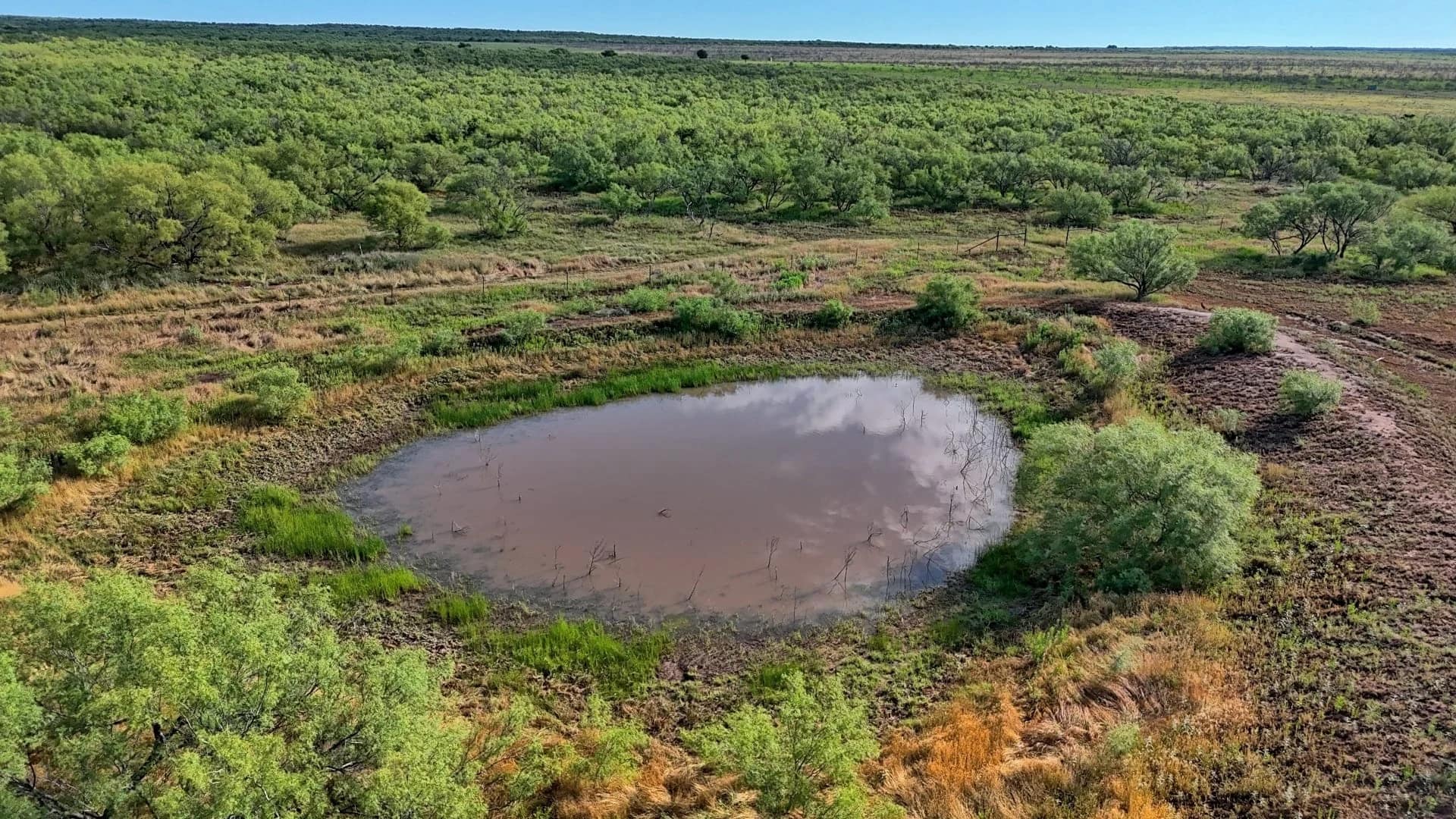
The landscape here is defined by the Red River Valley and its dramatic breaks, creek drainages, and open rolling plains. Devils Creek cuts through portions of the county, carving canyon country that offers rugged scenery uncommon this far east of the Caprock. Vegetation runs the gamut from native grasses and cultivated cropland on the flatter ground to dense hackberry and mesquite brush along creek bottoms and draws. The terrain variety is one of Hardeman County's strongest selling points - buyers get multiple land types in a single purchase.
Hunting in Hardeman County
Whitetail deer are the primary draw for hunters, and the brushy creek bottoms and canyon breaks provide excellent cover and travel corridors. The county also produces quality populations of wild hogs, dove, and quail, with mule deer showing up occasionally on larger tracts near the river country. Turkey hunting is available in the right habitat, and the cropland tracts attract migratory birds through the fall and winter months.
- Whitetail deer with solid genetics in brushy creek drainages
- Wild hogs year-round on most tracts
- Dove and quail hunting on cropland and native pasture
- Occasional mule deer on western and canyon-edge tracts
- Migratory waterfowl and upland birds seasonally
Ranching and Agriculture
Hardeman County has a deep agricultural heritage. A significant portion of the county's acreage is in cultivated cropland - wheat, cotton, and grain sorghum are common rotations - while native grass pastures support cow-calf operations throughout. Rotational grazing setups with cross-fenced pastures and functioning water infrastructure are typical on the mid-size and larger ranches coming to market. Buyers looking for a combination of row crop income and livestock capacity will find Hardeman County worth serious attention.
Water Features
Surface water is a genuine asset here. Ranch ponds are common and many are stocked for fishing. The Red River drainage and its tributaries - including Devils Creek - provide seasonal and perennial water across the county. Working ranches typically support multiple water wells, stock tanks, and concrete troughs. Properties with reliable water infrastructure command strong buyer interest.
Why Buyers Choose Hardeman County
Value is a major factor. Buyers can acquire meaningful acreage in Hardeman County at price points that are no longer available in the Hill Country or South Texas. The combination of hunting, grazing, cropland income, and scenic canyon terrain gives buyers flexibility in how they use the land. The drive from DFW is manageable for weekend use, and the area's agricultural infrastructure - from feed stores to livestock facilities - makes it genuinely functional ranch country.
The listings below represent a range of Hardeman County properties currently available, from a compact rural homestead to a large-scale hunting and ranching operation with canyon views. Take a closer look at what's on the market right now.