
County Land Guide
Cottle County Land Guide
Presented by Texas Hunting Land
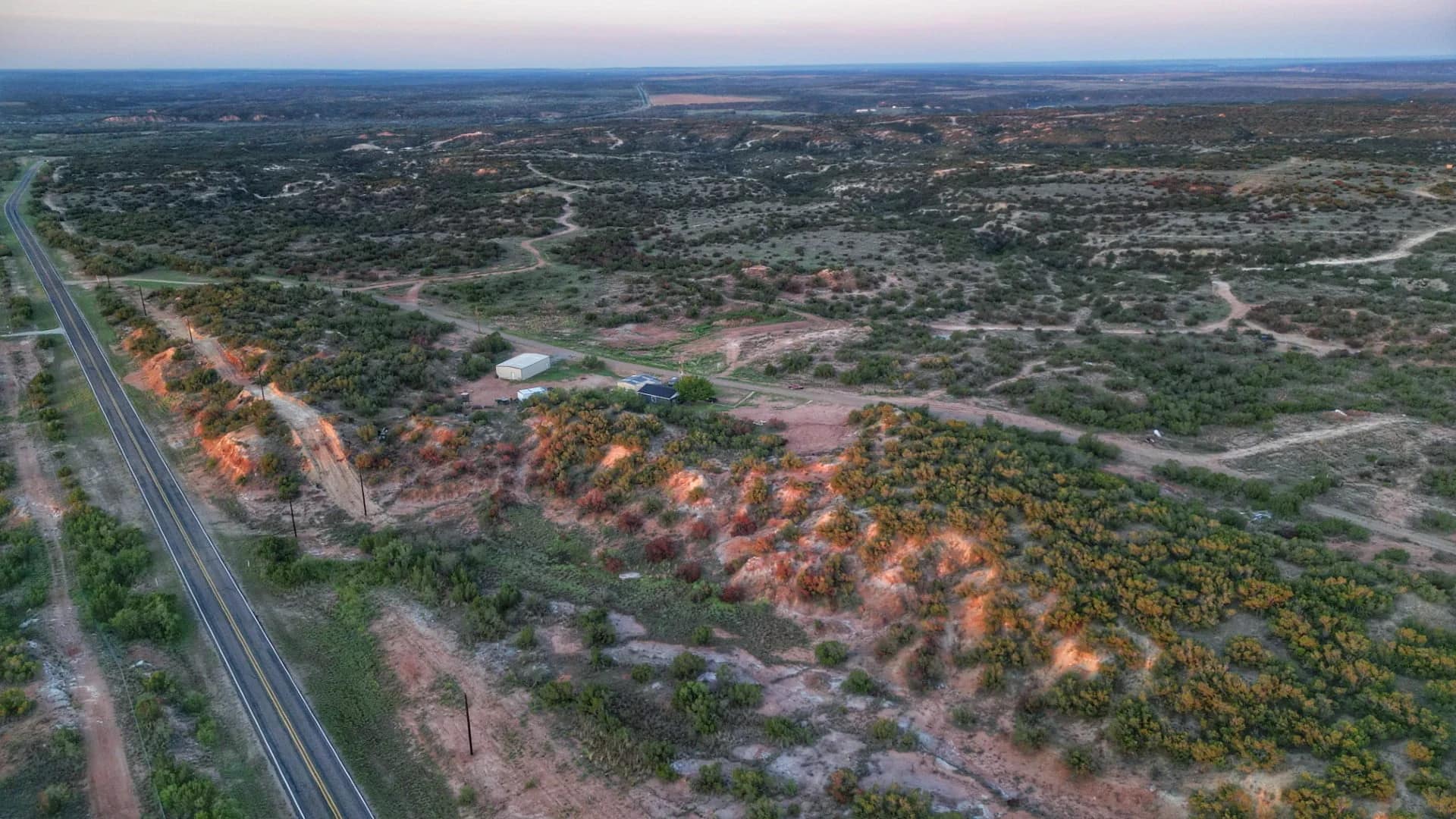
Cottle County sits in the rolling plains of West Texas, tucked between the Caprock Escarpment and the Red River breaks country. It's a region that doesn't get much fanfare, which is exactly why savvy land buyers keep circling back to it. The terrain here is a mix of open grassland, mesquite flats, and rugged creek drainages that carve through the county's eastern sections - country that holds game, supports livestock, and comes at prices that make larger acreage attainable.
Terrain and Vegetation
The landscape shifts across the county. Western portions lean toward flat to gently rolling shortgrass prairie, while the eastern side breaks into rougher country with draws and creek bottoms lined with cottonwood, cedar, and native brush. Mesquite is prevalent throughout, along with sideoats grama, buffalograss, and blue grama - grasses that have historically supported cattle ranching as the county's economic backbone. The Pease River and its tributaries run through the region, adding texture and wildlife habitat to an otherwise open landscape.
Hunting in Cottle County
Cottle County is underrated hunting country. The creek drainages and brushy draws concentrate whitetail deer, and the county's relatively low hunting pressure means deer here haven't been educated the way they are on properties closer to the Metroplex. Expect to find:
- Whitetail deer, particularly along creek bottoms and brushy drainages
- Wild hogs, active throughout the county and available year-round
- Rio Grande turkey in areas with adequate water and open grassland edges
- Dove, both mourning and white-winged, especially near agricultural fields in early fall
- Quail in areas with native grass cover and appropriate brush density
Ranching and Agricultural Use
Cattle ranching has always driven the economy in Cottle County, and most tracts here are set up for cow-calf operations or stocker grazing. Improved coastal bermuda pastures are common on the flatter ground, while native range dominates the rougher country. Hay production is viable on suitable ground with access to water. Agricultural exemptions are widely held, which keeps property tax burdens manageable for buyers planning to run livestock or maintain range.
Water
The Pease River and its forks provide the county's primary surface water. Stock tanks are common across most ranches, and many properties carry good water infrastructure. Buyers should evaluate tank condition and watershed carefully, as water availability is a key factor in stocking rates and overall land value in this part of Texas.
Location and Proximity
Paducah serves as the county seat and provides basic services. Childress, about 30 miles to the south, offers additional amenities and is a reasonable supply town. The Wichita Falls area is roughly two hours east, and Lubbock is accessible in under two hours to the northwest - making Cottle County realistic as a working ranch purchase for buyers willing to trade proximity for value and acreage.
Browse Cottle County Listings
Cottle County represents a straightforward case for buyers who want working West Texas land - functional range, honest hunting, and room to run cattle - without paying a premium for a famous zip code. Browse the available Cottle County properties below to see what's currently on the market.