County Land Guide
Cherokee County Land Guide
Presented by Texas Hunting Land
Tucked into the Piney Woods of East Texas, Cherokee County offers a blend of rolling timberland, productive bottomland, and open pasture that draws buyers looking for genuine East Texas character. The county sits at a natural transition zone where deep sandy soils and loblolly pine stands give way to post oak savannas and creek drainages - a mix that supports strong wildlife populations and diverse agricultural uses.
Terrain and Vegetation
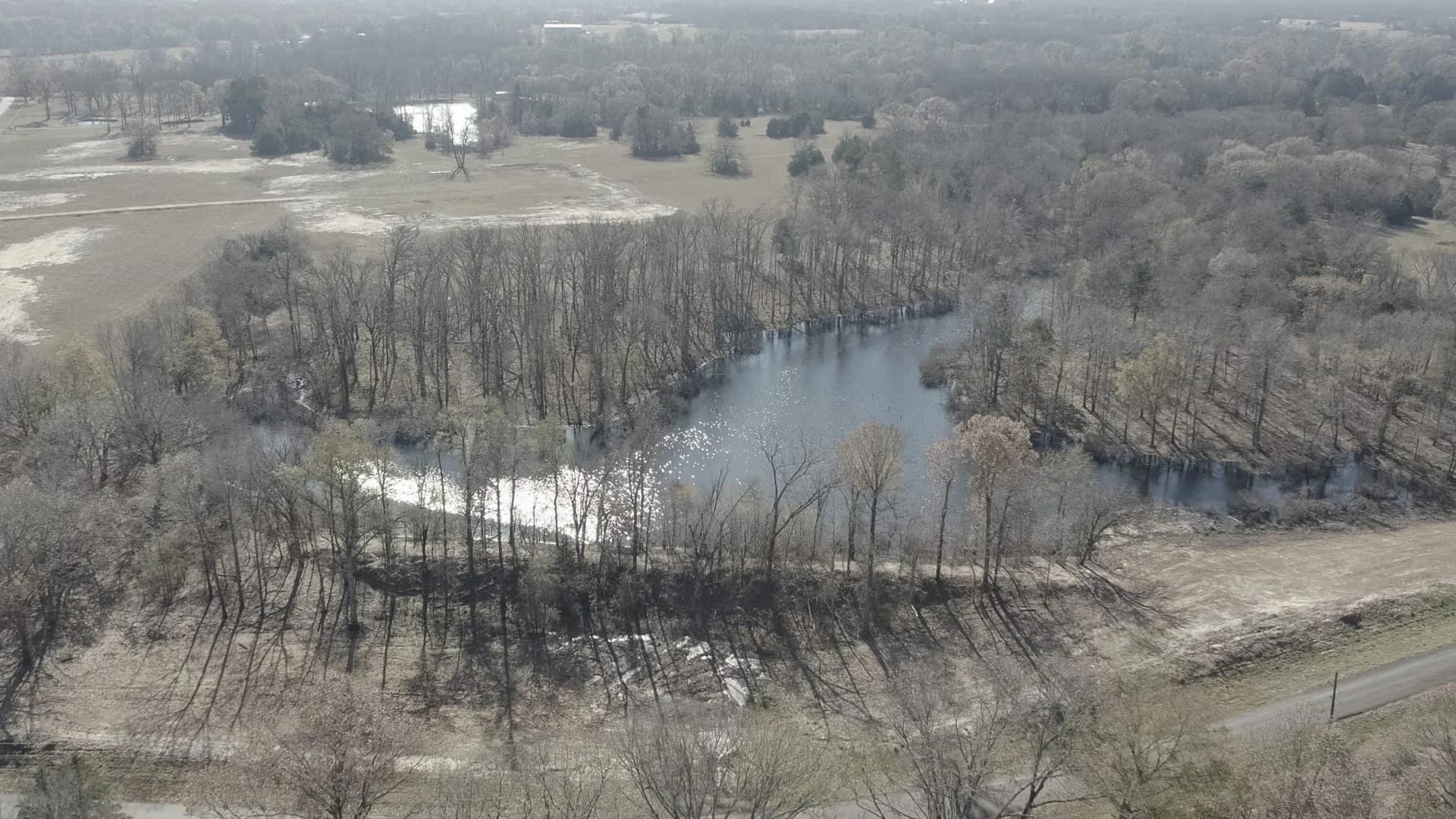
Cherokee County's landscape is defined by gently rolling hills covered in mixed pine and hardwood timber, open hay meadows, and creek bottoms lined with white oak, sweetgum, and river birch. Elevation changes are modest but consistent enough to create defined ridgelines, natural funnels, and sheltered draws - features that make the land productive for both hunters and livestock operators.
Hunting in Cherokee County
The county's diverse cover makes it one of the more well-rounded hunting destinations in East Texas. Buyers regularly cite wildlife as a primary reason for purchasing here.
- Whitetail Deer: Native deer herds are well-established throughout the county. The thick timber edges and creek bottoms provide natural travel corridors that concentrate deer movement during the rut.
- Wild Hogs: Feral hog populations are significant and present year-round, offering extended hunting opportunities between deer seasons.
- Eastern Wild Turkey: Cherokee County supports healthy turkey numbers, particularly in areas with mature hardwood timber and adjacent open fields.
- Waterfowl: Properties along the Angelina River and its tributaries, as well as farm ponds and seasonal wetlands, attract wood ducks and other migratory species.
Ranching and Agricultural Use
Open pasture ground in Cherokee County is commonly used for cattle grazing and hay production, with improved coastal bermudagrass pastures spread across the county. Smaller tracts often feature a mix of timber and pasture, giving buyers flexibility to run cattle, lease timber rights, or simply manage the land for wildlife. The county's soils and rainfall - averaging around 45 inches annually - support strong forage production without heavy irrigation inputs.
Water Features
Water is rarely a concern in Cherokee County. The Angelina River runs through the western portion, and numerous named and unnamed creeks cross properties throughout the county. Farm ponds are common on improved tracts, and spring-fed draws appear on larger acreages with significant timber cover.
Location and Proximity
Jacksonville serves as the county seat and provides everyday services, feed stores, and equipment dealers. Rusk and Henderson are within easy reach, and Tyler - one of East Texas's largest cities - sits roughly 30 miles to the northwest. For buyers commuting from the Metroplex, Cherokee County is accessible via US-69 and US-175, making it a realistic option for weekend ranches within a two-hour drive of Dallas.
Available Listings
Cherokee County land rarely stays on the market long, particularly tracts with good timber, water, and highway access. Browse the current listings below to see what's available - each property includes acreage details, water and timber notes, and county road or highway frontage information.