
County Land Guide
King County Land Guide
Presented by Texas Hunting Land
King County sits in the heart of the Rolling Plains of West Texas, one of the most remote and least populated counties in the state. That isolation is exactly what draws serious buyers - wide-open ranches, minimal development pressure, and land that has been worked and hunted for generations. If you're looking for raw, authentic Texas ranch country, King County delivers.
Terrain and Vegetation
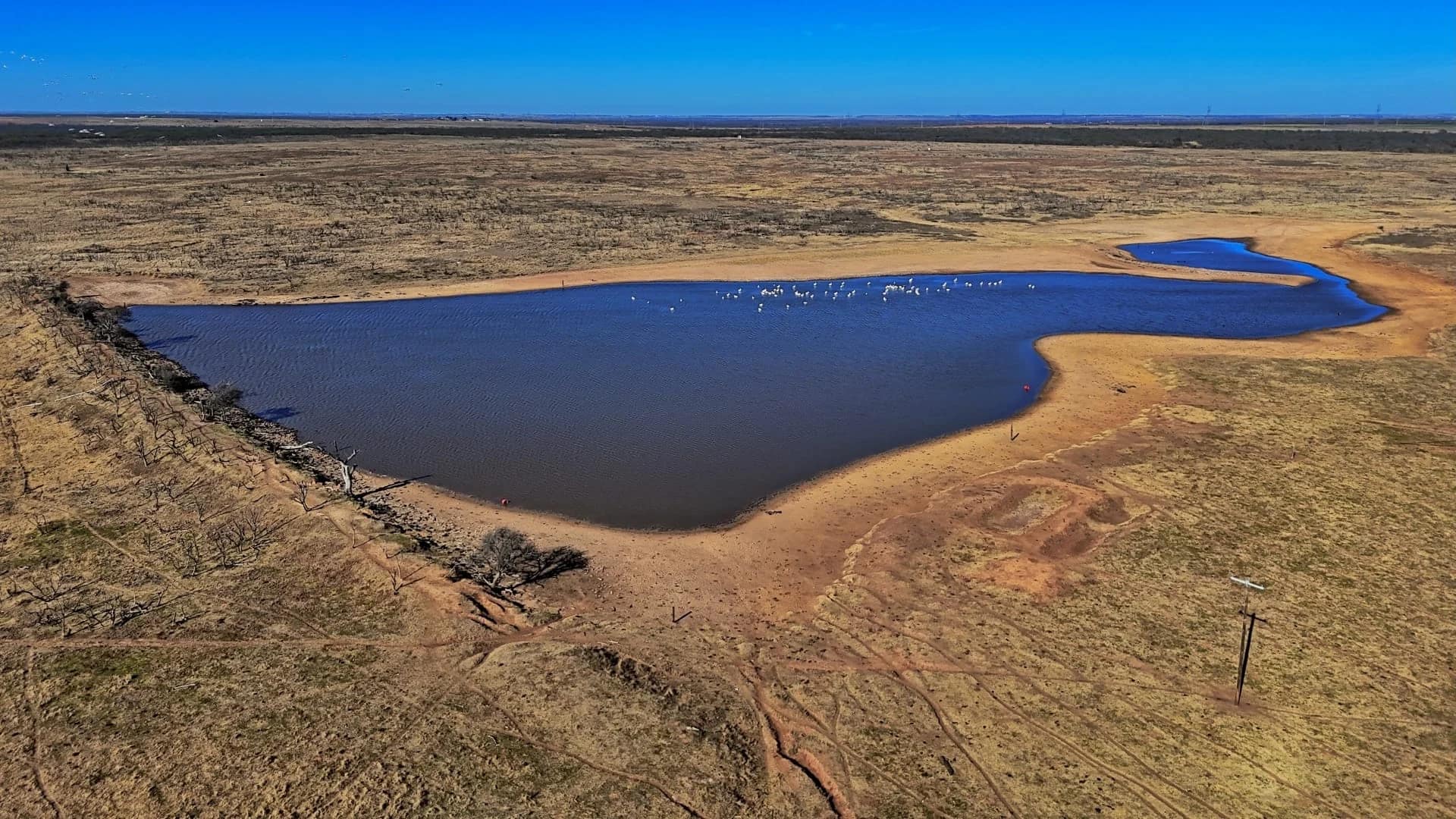
The landscape here is classic Rolling Plains - broken mesas, red clay draws, caliche flats, and rolling grasslands dominated by native grasses, mesquite, catclaw acacia, and shinnery oak. The terrain is rugged enough to hold game but manageable enough for working cattle operations. Elevations vary across the county, giving ranches a mix of open country and brushy draws that create excellent habitat diversity.
Hunting in King County
King County is underrated hunting country. The remote terrain and limited hunting pressure mean mature whitetail bucks have room to grow, and populations of mule deer also roam the rougher, more open sections of the county. Additional hunting opportunities include:
- Wild turkey, particularly Rio Grande birds along creek drainages
- Feral hogs, which are present county-wide and offer year-round hunting
- Quail, with bobwhite populations rebounding in years with favorable rainfall
- Dove along agricultural fields and water sources
- Predator hunting for coyote and bobcat
Ranching and Agricultural Use
Cattle ranching is the backbone of King County's economy and has been for over a century. Native pasture and improved grass pastures support stocker and cow-calf operations, and many ranches are cross-fenced and equipped with working pens, stock tanks, and windmills. Carrying capacity varies depending on rainfall and pasture management, but the county's grasslands are well-suited to traditional range cattle programs.
Water Features
The North Pease River and its tributaries run through portions of King County, providing seasonal surface water and attractive riparian corridors. Stock tanks and earthen ponds are common throughout working ranches and serve double duty as livestock water and wildlife attractants. Windmill-fed water systems remain a staple of ranch infrastructure across the county.
Location and Proximity
King County is located roughly 100 miles northeast of Lubbock and about 80 miles southeast of Childress. The county seat of Guthrie is a small ranching community that reflects the working character of the land surrounding it. Buyers coming from the Dallas-Fort Worth area are looking at approximately a four-hour drive - close enough for regular visits, far enough to feel genuinely removed from urban life.
Why Buyers Choose King County
Land values in King County remain accessible compared to more heavily trafficked hunting and ranch markets in Texas. Buyers get substantial acreage, proven ranching infrastructure, and legitimate hunting opportunities without the premium that comes with higher-profile counties. For ranchers looking to expand, investors seeking value, or hunters wanting elbow room, King County is worth a serious look.
Browse the current King County listings below to see what's available in one of Texas's most authentically rural ranch markets.